
Considering laser eye surgery? Many people are curious about what the experience is really like—from the procedure itself to the recovery and results.
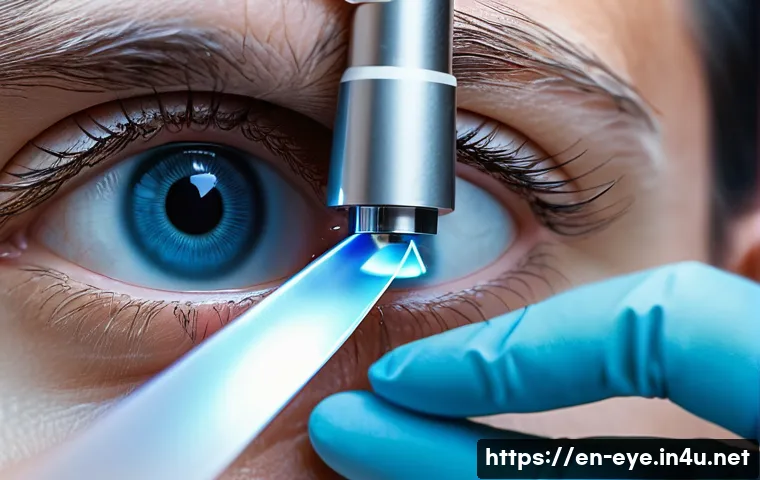
Having undergone the treatment myself, I can share some honest insights about the benefits and what to watch out for. Whether you’re tired of glasses or contacts, or just want to improve your vision, understanding the real-life impact is crucial.
Let’s dive into the details so you can make an informed decision with confidence. I’ll walk you through everything you need to know right here!
Understanding the Laser Eye Surgery Procedure
What Happens During the Surgery?
The actual laser eye surgery is surprisingly quick—usually completed within 15 to 30 minutes for both eyes. When I went through it, the process started with numbing eye drops, so I didn’t feel any pain, just some pressure during the flap creation.
The surgeon uses a laser to reshape the cornea, which is the clear front part of your eye, to correct your vision. It sounds intimidating, but honestly, the experience is less dramatic than I imagined.
You’re awake the whole time, and the staff keeps you calm and informed throughout. The laser emits a humming sound, and you focus on a light, which helps keep your eye steady.
Types of Laser Technologies
There are mainly two types of laser eye surgeries: LASIK and PRK. LASIK involves creating a thin flap on the cornea, then reshaping the tissue underneath with a laser.
PRK, on the other hand, removes the outer layer of the cornea before reshaping it and allows it to heal naturally over time. I opted for LASIK because the recovery is faster, but some people prefer PRK if they have thinner corneas or other specific conditions.
Both procedures have high success rates, but the choice depends on your eye health and your surgeon’s recommendation.
What to Expect in the Operating Room
Walking into the operating room, I was surprisingly calm—mainly because the staff explained every step beforehand. The room is bright, and the equipment looks high-tech, but nothing scary.
You lie down on a comfortable bed, and the surgeon positions a device to keep your eye open so you don’t blink. You might feel some suction when the flap is created, which can be a bit uncomfortable but brief.
Once the laser starts, you just focus on the light and try to stay relaxed. The entire thing is over before you know it, and the moment the surgeon lifts the flap back, you’re done.
Recovery: What Happens Right After Surgery?
Immediate Post-Surgery Sensations
Right after the procedure, I experienced a gritty feeling, like having sand in my eyes, which is totally normal. My vision was blurry, and there was some mild discomfort, but nothing unbearable.
The doctor gave me protective goggles to wear, especially when sleeping, to avoid accidentally rubbing my eyes. They also provided antibiotic and anti-inflammatory eye drops to prevent infection and reduce inflammation.
It’s important not to touch or rub your eyes during this sensitive period, even if they feel itchy or irritated.
Timeline for Visual Improvement
One of the coolest things I noticed was how quickly my vision started improving. Within the first 24 hours, I could already see more clearly than before surgery.
However, full stabilization can take several weeks to months, depending on your individual healing process. Some days, my eyes felt perfect; other days, they were a bit dry or blurry, especially when tired.
Staying hydrated and using lubricating eye drops as recommended really helped smooth out those fluctuations.
Common Recovery Challenges
Dry eyes are the most common complaint during recovery. I found that my eyes felt dry and itchy, especially after long periods of screen time or in air-conditioned environments.
This is because the surgery temporarily disrupts tear production. Using artificial tears frequently made a big difference for me. Also, bright lights and night driving can be tricky for a few weeks due to halos or glare around lights.
The key is patience and following your doctor’s advice strictly to avoid complications.
Long-Term Results and Vision Stability
How Vision Holds Up Over Time
From my experience and what I’ve heard from others, most people enjoy stable, clear vision for years after laser eye surgery. It’s not uncommon to experience slight changes over time, especially as the eyes naturally age, but these are usually minor.
Some patients might need a touch-up procedure, called an enhancement, if their vision shifts significantly. I was happy to learn that the vast majority of people don’t need this, and my eyesight remains sharp even a year later.
Factors That Affect Longevity
Several factors can influence how long your laser-corrected vision lasts. Age is one—presbyopia, the need for reading glasses, naturally develops as you get older, regardless of surgery.
Other factors include how severe your original prescription was, your eye health, and lifestyle habits like UV protection. I was advised to wear sunglasses outdoors to protect my eyes from harmful rays, which also helps maintain the quality of vision after surgery.
When to Consider a Follow-Up
If you notice any sudden changes in vision, increased sensitivity, or discomfort long after surgery, it’s crucial to see your eye doctor immediately. Regular check-ups are part of the package to ensure your eyes are healthy and healing properly.
I had my first follow-up the day after surgery, then at one week, one month, and six months. These visits gave me peace of mind and allowed the doctor to catch any minor issues early.
Common Myths and Misconceptions Debunked
Will Laser Surgery Hurt?
One of the biggest myths I encountered was that laser eye surgery is painful. From my personal experience, the procedure itself is virtually painless thanks to numbing drops.
There’s some pressure and odd sensations, but pain is minimal. The recovery phase includes some discomfort, mostly dryness and irritation, but it’s manageable with the right care.
If anyone tells you it’s extremely painful, that’s usually an exaggeration or based on outdated information.
Is It Safe for Everyone?
Not everyone is a candidate for laser eye surgery, which is why a thorough eye exam is essential. People with certain conditions like thin corneas, severe dry eye, or autoimmune diseases might be advised against it.
I was pleasantly surprised by the detailed screening process I went through, which ensured I was a good fit. Safety is a top priority for surgeons, and they won’t proceed unless they’re confident it’s the right choice for you.
Does Vision Ever Get Worse After Surgery?
While laser eye surgery offers permanent correction for many, some people worry about their vision getting worse later. It’s true that age-related changes like presbyopia or cataracts can affect vision, but these aren’t caused by the surgery itself.
In rare cases, slight regression can happen, but it’s usually minor and can be addressed with enhancements. The key takeaway is that surgery doesn’t stop natural eye aging but can dramatically reduce dependence on glasses or contacts.
Preparing for Your Laser Eye Surgery Day

Steps to Take Before the Procedure
Before surgery, I was advised to avoid wearing contact lenses for at least two weeks since they can alter corneal shape. This was a bit challenging because I had to switch to glasses, but it’s critical for accurate measurements.
On the day of surgery, I skipped makeup, lotions, and perfumes to reduce infection risk. I also arranged for someone to drive me home because my vision would be blurry immediately after the procedure.
These small preparations made the day much smoother.
What to Bring and Expect
Bringing sunglasses was a lifesaver since my eyes were sensitive to light post-surgery. I also carried a small bottle of artificial tears for immediate relief.
The clinic provided detailed instructions and a checklist, which helped me stay calm and organized. Expect to spend a few hours at the clinic total, including pre-op checks and post-op monitoring.
Being mentally prepared for some downtime and rest afterward is key to a successful recovery.
Managing Anxiety and Expectations
Feeling nervous before surgery is totally normal. I found that asking lots of questions during the consultation helped ease my anxiety. Knowing what to expect during and after the procedure made a huge difference in my mindset.
Try to focus on the benefits and keep realistic expectations—vision improvement is almost always dramatic, but healing takes time. Trusting your surgeon and the process is the best way to stay calm and confident.
Financial Considerations and Value for Money
Understanding the Cost Breakdown
Laser eye surgery isn’t cheap, with prices typically ranging from $2,000 to $4,000 per eye depending on the technology and clinic. When I was budgeting, I considered not just the upfront cost but also savings over time from no longer needing glasses, contact lenses, cleaning solutions, and eye exams.
Many clinics offer financing plans, which made the investment more manageable. It’s important to ask what’s included—some packages cover follow-ups and enhancements, while others charge extra.
Is It Worth the Investment?
From my perspective, the freedom from daily glasses or contacts is priceless. I saved hours each week that I used to spend cleaning lenses or dealing with foggy glasses.
Plus, the confidence boost from improved vision was huge. If you’re someone who hates the hassle and expense of corrective lenses, laser surgery can be a life-changer.
Just make sure to pick a reputable surgeon—cutting corners to save money is not worth the risk.
Insurance and Tax Considerations
Most insurance plans don’t cover laser eye surgery since it’s considered elective. However, some flexible spending accounts (FSAs) or health savings accounts (HSAs) can be used to offset costs, which helped me reduce the financial burden.
It’s worth checking with your provider and tax advisor to see what options apply to you. Sometimes, employer wellness programs offer discounts or financing assistance as well.
Comparing Laser Surgery to Other Vision Correction Methods
Laser Surgery vs. Glasses
Glasses are the easiest and safest way to correct vision, but they can be inconvenient and limit activities like sports or swimming. I used to struggle with fogging and discomfort, especially in cold weather.
Laser surgery eliminates these issues and provides a more permanent solution. That said, glasses remain a good backup and fashion statement for many people, so they’re not going away anytime soon.
Laser Surgery vs. Contact Lenses
Contacts offer more freedom than glasses but require daily care and can cause dry eyes or infections if not handled properly. I personally found contacts uncomfortable after a long day, and I was tired of the ongoing expense.
Laser surgery removed the hassle of insertion, cleaning, and replacement, which felt like a huge relief. However, contacts are still a flexible option for those not ready to commit to surgery.
Other Surgical Options
Aside from LASIK and PRK, there are implantable lenses and refractive lens exchange surgeries. These are usually reserved for people with very high prescriptions or certain eye conditions.
They tend to be more invasive and expensive. I considered these but was advised that laser surgery was the best fit for my needs. Discussing all available options with your eye specialist ensures you find the safest and most effective treatment for your unique situation.
| Aspect | Laser Surgery | Glasses | Contact Lenses |
|---|---|---|---|
| Cost | High upfront, potential long-term savings | Low initial cost, ongoing purchase | Moderate ongoing cost |
| Convenience | Very high after recovery | Moderate, can fog or break | Requires daily maintenance |
| Comfort | Minimal discomfort after healing | Varies by frame fit | Can cause dryness or irritation |
| Effectiveness | Permanent correction for most | Corrects vision but doesn’t improve it | Corrects vision but temporary |
| Risks | Rare complications, requires screening | None | Infection risk if misused |
Conclusion
Laser eye surgery offers a life-changing opportunity to improve vision with minimal discomfort and a quick recovery. From preparation to long-term results, understanding the process can ease anxiety and help set realistic expectations. With proper care and regular check-ups, many enjoy lasting benefits and freedom from glasses or contacts. Choosing a qualified surgeon and following medical advice are key to a successful experience.
Useful Information to Know
1. Avoid wearing contact lenses for at least two weeks before surgery to ensure accurate measurements and better results.
2. Post-surgery dryness is common; using artificial tears frequently can greatly improve comfort during recovery.
3. Protect your eyes from UV rays by wearing sunglasses regularly to help maintain vision quality long-term.
4. Follow all post-operative instructions carefully, including not rubbing your eyes, to prevent complications and promote healing.
5. Schedule and attend all recommended follow-up visits to monitor healing and address any concerns promptly.
Key Takeaways
Laser eye surgery is a safe and effective procedure for many, but it requires thorough pre-surgical evaluation to confirm candidacy. The surgery itself is quick and mostly painless, with recovery involving manageable symptoms like dryness and occasional visual fluctuations. Long-term vision stability depends on individual factors such as age and eye health. Financially, the upfront cost may seem high but often balances out over time by reducing the need for corrective lenses. Ultimately, realistic expectations and close communication with your eye care provider are essential for the best outcome.
Frequently Asked Questions (FAQ) 📖
Q: What does the laser eye surgery procedure actually feel like?
A: From my experience, the procedure itself is surprisingly quick—usually around 15 minutes per eye. You’ll feel a bit of pressure when the surgeon uses the device to hold your eye open, but it’s not painful.
The laser sensation is more like a mild warmth or snapping feeling, which can be a bit startling if you’re not expecting it. Most people describe it as uncomfortable rather than painful.
The real relief comes immediately after, when the vision starts to clear up.
Q: How long is the recovery period, and what should I expect during that time?
A: Recovery varies, but typically the first 24 to 48 hours are the most sensitive. You might experience dryness, mild irritation, or light sensitivity, so wearing sunglasses and using prescribed eye drops is crucial.
I noticed my vision was a bit blurry at first but improved significantly within a couple of days. Most people can return to normal activities within a week, but it’s best to avoid strenuous exercise or swimming for a little longer to prevent infection or irritation.
Q: Are the results of laser eye surgery permanent, and will I still need glasses afterward?
A: For many, the results are long-lasting, with a significant reduction or complete elimination of the need for glasses or contacts. However, some people might experience slight changes in vision over time, especially as they age or if they have certain eye conditions.
I found that while I no longer needed glasses for daily use, I occasionally use reading glasses now. It’s important to have realistic expectations and follow up with your eye doctor regularly to monitor your vision health.