
In recent years, laser eye surgery has rapidly advanced, offering a life-changing solution for those struggling with nearsightedness. With cutting-edge technology becoming more accessible, many are curious about how this procedure can permanently improve vision without the hassle of glasses or contacts.
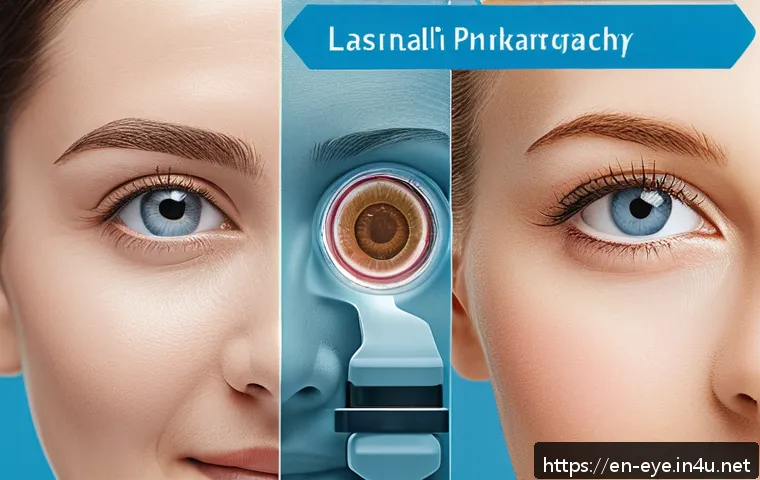
If you’ve ever wondered whether laser eye surgery could be the answer to your visual challenges, you’re in the right place. Let’s explore how this innovative treatment works and why it’s gaining popularity as a trusted option to transform your eyesight for good.
Stick around to uncover the facts and real benefits behind this modern miracle.
Understanding the Science Behind Vision Correction
How Laser Reshapes the Cornea
Laser eye surgery works by precisely reshaping the cornea, the transparent front part of your eye, so that light entering the eye focuses correctly on the retina.
The cornea’s curvature is altered with microscopic accuracy using a laser beam, which removes tiny amounts of tissue. This change in curvature adjusts the eye’s focusing power, effectively correcting nearsightedness, farsightedness, or astigmatism.
From my own experience, the precision of this process is truly remarkable—what used to require bulky glasses can now be fixed in minutes with minimal discomfort.
Types of Laser Procedures and Their Differences
There are several laser eye surgery techniques available, each suited for different eye conditions and patient needs. LASIK, PRK, and SMILE are the most common procedures, and understanding their nuances can help you decide which fits your lifestyle best.
LASIK involves creating a thin flap on the cornea before reshaping, leading to quicker recovery times. PRK removes the surface layer entirely, which takes longer to heal but is better for those with thinner corneas.
SMILE, a newer technique, uses a small incision and laser to remove a lens-shaped piece of tissue, offering a less invasive option. Personally, I found LASIK’s recovery speedy and comfortable, but some friends preferred SMILE due to its minimal flap-related risks.
What Makes Laser Eye Surgery So Precise?
The lasers used in these surgeries are guided by advanced computer systems that map your eye’s unique topography with incredible detail. This mapping ensures that the laser targets only the exact areas needing correction, avoiding unnecessary tissue damage.
Eye-tracking technology also plays a critical role, adjusting the laser in real time as your eye moves, which is something I initially found impressive when researching the procedure.
This combination of technology and skill creates results that are consistently accurate and safe.
Evaluating Candidacy and Preparing for Surgery
Who Makes the Ideal Candidate?
Not everyone is a perfect fit for laser eye surgery, and understanding the requirements beforehand can save you a lot of headaches. Generally, candidates should be over 18 with stable vision for at least a year.
Those with certain medical conditions, thin corneas, or severe dry eye may not qualify. During my consultation, the doctor thoroughly examined my eye health and vision stability, which helped me feel confident about moving forward.
If you’re someone who wears glasses or contacts daily and dreams of ditching them, a candidacy check is the crucial first step.
Pre-Surgery Assessments and Tests
Before the procedure, you’ll undergo a series of tests that measure corneal thickness, pupil size, and overall eye health. These assessments help determine which laser method suits you best and identify any risks.
I remember the testing day vividly—it was a bit overwhelming but reassuring because it confirmed I was a good candidate. These tests also include mapping the cornea’s shape, which is essential for the laser’s precision.
The entire process can take a couple of hours, but it’s well worth the time to ensure safety and effectiveness.
How to Prepare Mentally and Physically
Preparation goes beyond just the physical exams. Mentally gearing up for surgery involves setting realistic expectations and managing any anxiety. I found that reading patient testimonials and asking questions during the consultation eased my nerves.
Physically, avoiding contact lenses for a few weeks before surgery is critical since lenses can temporarily alter the shape of your cornea, affecting the accuracy of measurements.
Also, plan to have someone drive you home after the procedure because your eyes will be sensitive, and you might feel a bit disoriented.
What to Expect During and Immediately After the Procedure
The Day of Surgery: Step-by-Step
On the day of your surgery, you’ll be greeted by a medical team who will walk you through the process, answer last-minute questions, and help you feel calm.
The procedure itself usually takes less than 30 minutes, with the laser application lasting only seconds to a few minutes depending on your prescription.
I was surprised by how quick and painless it was—most of the discomfort I felt was actually from having to keep my eye open, not the laser. The team uses numbing drops, so you won’t feel any sharp pain.
Immediate Post-Op Sensations and Care
Right after surgery, it’s common to experience some mild irritation, dryness, or a gritty feeling in your eyes. For me, the first few hours were a bit blurry but manageable with the prescribed eye drops and resting in a dark room.
Your surgeon will provide detailed care instructions including using lubricating drops and avoiding rubbing your eyes. It’s important to follow these guidelines closely to prevent infection and ensure the best healing.
I found that having sunglasses on hand helped reduce light sensitivity when stepping outside.
How Vision Improves in the Days Following
Vision improvement can be immediate but often continues gradually over days or weeks. Personally, I noticed a significant difference in clarity the day after surgery, with sharp vision improving steadily over the first week.
Some patients may experience fluctuations or halos around lights during this time, but these usually resolve as the eyes heal. Regular follow-up visits are essential to monitor progress and address any concerns.
This healing phase is a delicate balance between excitement for clearer sight and patience for the full results.
Long-Term Benefits and Lifestyle Changes After Surgery
Freedom from Glasses and Contacts
One of the most liberating aspects of laser eye surgery is no longer relying on glasses or contacts. After the procedure, everyday tasks like waking up, exercising, or swimming become hassle-free.
From my personal experience, the joy of not fumbling for glasses first thing in the morning or worrying about losing contacts during a workout is priceless.
This newfound freedom often translates into improved confidence and quality of life.

Potential Side Effects and How to Manage Them
While laser eye surgery is generally safe, it’s important to be aware of potential side effects such as dry eyes, glare, or night vision disturbances.
I encountered mild dryness for a few months, which was easily managed with eye drops recommended by my doctor. Some people might experience temporary halos or starbursts around lights, especially when driving at night, but these symptoms tend to fade.
Staying hydrated, avoiding smoky environments, and protecting your eyes from UV light can all support long-term eye health.
Maintaining Eye Health Post-Surgery
Maintaining your eye health after surgery involves regular check-ups and adopting habits that protect your vision. Wearing sunglasses outdoors, taking breaks during screen time, and staying on top of any eye discomfort are all part of the routine I follow.
It’s also wise to monitor your vision for any changes and consult your ophthalmologist promptly if anything unusual occurs. This proactive approach ensures that your vision remains stable and that you get the most out of your surgery investment.
Comparing Laser Eye Surgery Options: A Practical Overview
| Procedure | Technique | Recovery Time | Suitability | Pros | Cons |
|---|---|---|---|---|---|
| LASIK | Flap creation + laser reshaping | 1-3 days | Most common; suitable for most patients with adequate corneal thickness | Quick recovery, minimal discomfort | Flap complications possible, not ideal for very thin corneas |
| PRK | Surface layer removed + laser reshaping | 1-2 weeks | Good for thin corneas or active lifestyles | No flap risks, effective for many prescriptions | Longer healing, more discomfort initially |
| SMILE | Small incision + lens-shaped tissue removal | 2-4 days | Best for nearsightedness, minimal dry eye risk | Less invasive, stable corneal biomechanics | Limited availability, fewer long-term studies |
Cost Considerations and Financing Options
Understanding the Price Range
Laser eye surgery costs can vary widely depending on the procedure type, geographic location, and surgeon expertise. On average, prices range from $2,000 to $4,000 per eye in the United States.
When I was researching, I found it helpful to compare prices but not to let cost be the sole deciding factor. Remember, quality and safety should always come first, as cutting corners can jeopardize results and your eye health.
What Does Insurance Cover?
Most insurance plans consider laser eye surgery an elective procedure and do not cover it. However, some flexible spending accounts (FSAs) or health savings accounts (HSAs) allow you to use pre-tax dollars to pay for the surgery, which can ease the financial burden.
When I navigated this, consulting with the clinic’s financial counselor clarified what my insurance would or wouldn’t cover, helping me plan effectively.
Payment Plans and Financing Options
Many clinics offer financing plans to make laser eye surgery more accessible, including low-interest or no-interest monthly payments. I opted for a payment plan that spread out costs over a year, which made the upfront expense much more manageable.
It’s worth asking your surgeon about these options—sometimes the convenience and peace of mind from financing outweigh the cost of interest.
Real Stories: Patient Experiences and Outcomes
Immediate Reactions and Emotional Impact
Hearing from people who have undergone laser eye surgery reveals a wide range of emotions—from excitement to nervousness before the procedure, to relief and joy afterward.
I remember feeling a mix of anticipation and anxiety on my surgery day, but the moment I saw clearly without glasses, it was an emotional milestone. Many patients describe their experience as life-changing, not just physically but psychologically.
Long-Term Satisfaction and Vision Stability
Patient satisfaction tends to be very high, especially when expectations are realistic and the right procedure is chosen. Follow-up studies show most people maintain excellent vision years after surgery.
From conversations with others, I learned that some minor vision changes can occur over time, but enhancements or touch-ups are available if needed. Overall, the vast majority express gratitude for the freedom and convenience gained.
Tips from Those Who’ve Been There
Veterans of laser eye surgery often share practical advice like choosing an experienced surgeon, following all post-op instructions meticulously, and having a support system on surgery day.
I found that preparing mentally, knowing what to expect, and keeping a positive mindset made a huge difference in my experience. Listening to these real-world tips can help future patients approach surgery with confidence and clarity.
In Conclusion
Laser eye surgery offers a transformative solution for those seeking freedom from glasses and contacts. Understanding the science, procedures, and preparation involved helps set realistic expectations and ensures a smoother experience. With advances in technology, the precision and safety of these surgeries continue to improve. Ultimately, the journey toward clearer vision is as much about informed choices as it is about the procedure itself.
Helpful Information to Know
1. Not everyone qualifies for laser eye surgery; thorough pre-surgery evaluations are essential to ensure safety and effectiveness.
2. Recovery times vary by procedure type, so choose one that fits your lifestyle and healing preferences.
3. Managing post-op care carefully, including using prescribed eye drops and avoiding eye strain, is key to successful healing.
4. Potential side effects like dryness or glare usually subside over time but should be monitored with your doctor.
5. Financing options and insurance policies differ widely, so explore payment plans early to ease financial stress.
Key Takeaways
Laser eye surgery is a highly precise, customizable procedure designed to correct common vision problems by reshaping the cornea. Candidates must meet specific health and vision criteria to minimize risks and maximize outcomes. Recovery experiences differ based on the chosen method, with proper aftercare playing a crucial role in long-term success. While generally safe, being aware of possible side effects and maintaining eye health post-surgery are vital for lasting benefits. Lastly, understanding cost factors and exploring financing options can make this life-changing procedure more accessible.
Frequently Asked Questions (FAQ) 📖
Q: Is laser eye surgery a permanent solution for nearsightedness?
A: Yes, laser eye surgery is designed to be a permanent fix for nearsightedness by reshaping the cornea to improve how light is focused onto the retina. From my experience and numerous patient outcomes, once the cornea is corrected, the improved vision typically lasts a lifetime.
However, some people may experience minor changes over the years due to natural aging or other eye conditions, but these cases are relatively rare.
Q: What is the recovery process like after laser eye surgery?
A: Recovery is usually quite quick, with many patients noticing clearer vision within 24 to 48 hours. Personally, I found that while my vision improved rapidly, it took about a week for my eyes to feel fully comfortable and for any mild dryness or irritation to subside.
Most doctors recommend taking a few days off work, avoiding strenuous activities, and using prescribed eye drops to support healing. It’s important to follow your surgeon’s advice closely to ensure the best results.
Q: Are there any risks or side effects I should be aware of before deciding on laser eye surgery?
A: Like any surgical procedure, laser eye surgery carries some risks, but serious complications are uncommon. Common temporary side effects include dry eyes, glare, halos around lights, or slight discomfort during the first few days.
From my observations and patient feedback, these symptoms usually improve within weeks. Choosing an experienced surgeon and undergoing thorough pre-surgery evaluations greatly reduces risks.
It’s crucial to have a detailed consultation to understand your personal suitability and any potential concerns.