
Mild eye irritation may improve with simple care, but severe pain, sudden vision changes, chemical exposure, or light sensitivity need prompt medical assessment.
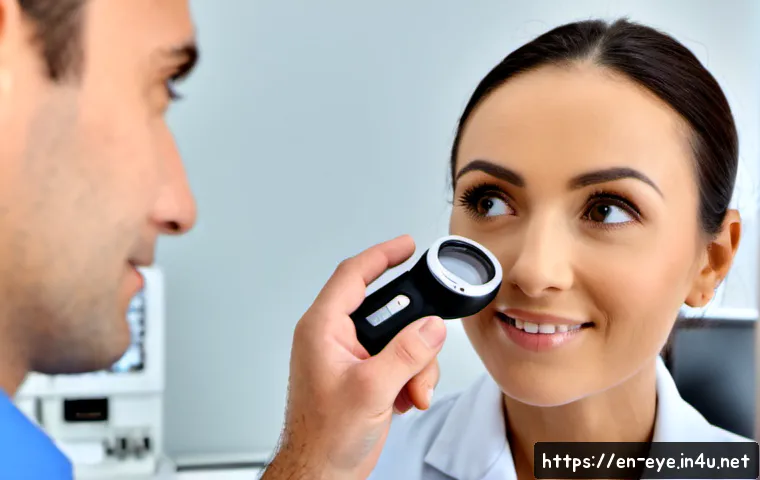
If you wear contact lenses and have pain, redness, discharge, or reduced vision, stop wearing the lenses until an eye-care professional evaluates you.
Eye pain can come from dryness, allergies, irritation, infection, injury, eyelid inflammation, headaches, or pressure-related concerns, so symptoms alone cannot confirm the cause.
A symptom-based approach can help you decide whether to try basic comfort measures, book an eye exam, or seek urgent care. Comparing appointment availability, contact lens evaluation fees, and vision insurance coverage can also make the next step clearer.
At a Glance
- Mild dryness or irritation may respond to screen breaks, gentle blinking, environmental changes, and appropriate lubricating drops.
- Severe pain, sudden vision changes, chemical exposure, or major light sensitivity should not wait for routine self-care.
- Contact lens wearers with pain, redness, discharge, or reduced vision should stop lens wear and arrange professional evaluation.
| Care Setting | Best For | Typical Service Scope | Coverage and Price Questions |
|---|---|---|---|
| Optometrist | Recurring discomfort, dry-eye symptoms, vision changes, contact lens concerns | Eye exam, vision assessment, and evaluation of issues that require specialized eye equipment | Ask about eye exam fees, contact lens evaluation fees, and in-network vision insurance coverage. |
| Ophthalmologist | Symptoms that may need medical eye treatment or a more complex eye-health review | Medical eye assessment and treatment planning when appropriate | Ask whether the visit is billed through medical insurance, vision insurance, or both. |
| Urgent Care | New concerning symptoms when a regular eye-care appointment is not available soon | Initial assessment and direction for further care when needed | Ask about same-day availability, insurance acceptance, and possible referral needs. |
| Emergency Department | Severe pain, sudden vision loss or change, chemical exposure, penetrating injury, major light sensitivity | Emergency assessment for urgent eye-related problems | Confirm emergency coverage details with your insurer when possible, but do not delay urgent care to compare prices. |
What Eye Pain Can Mean and the First Safe Steps to Take
Eye pain can feel very different from person to person. It may be a surface sensation such as burning or grittiness, a deeper ache behind the eye, or tenderness around the eyelid and nearby area. The location can be useful information for an eye exam, but it does not diagnose the cause by itself.
The Difference Between Surface Pain, Pain Behind the Eye, and Pain Around the Eye
Surface discomfort may include dryness, stinging, a scratchy feeling, watering, or irritation from contact lenses or foreign material. Pain behind the eye can occur with headache-related conditions or other concerns that require assessment. Pain around the eye may involve the eyelid or surrounding tissue. Note what you feel, which eye is affected, and whether vision, redness, discharge, or light sensitivity is also present.
Three Immediate Steps That Are Generally Safer Than Rubbing or Self-Medicating
First, avoid rubbing the eye. Rubbing can worsen irritation and may be risky if foreign material is present. Second, if a minor irritant may be involved, rinse the eye with clean water or sterile saline. Third, pause contact lens wear if your eye is painful, red, or uncomfortable.
If dryness seems likely, take breaks from screens, blink deliberately, and consider environmental adjustments such as reducing direct airflow to the eyes. Appropriate lubricating drops may help some dry-eye symptoms, but the right product depends on the individual and the cause of discomfort.
Symptoms That Should Not Wait for Routine Self-Care
Seek urgent medical assessment for severe eye pain, sudden vision changes, chemical exposure, a penetrating injury, or significant light sensitivity. Do not attempt to remove an embedded object at home. These symptoms can involve conditions that cannot be safely evaluated with home checks alone.
Common Patterns: Dryness, Allergies, Irritation, Infection, and Injury
Many eye discomfort patterns overlap. Burning may occur with dryness, while redness can accompany irritation, infection, contact lens problems, or injury. Looking at the full symptom pattern is more useful than relying on one sign.
Burning, Grittiness, and Screen-Related Dryness
Long screen sessions can be associated with dryness and a gritty or burning feeling. A practical first approach is to take regular screen breaks, blink more completely, and adjust airflow or other environmental triggers. If symptoms recur, interfere with work, or come with vision changes, a scheduled eye-health review can help check for vision changes, corneal issues, and other concerns not visible without specialized equipment.
Itching, Watering, and Allergy-Related Irritation
Itching and watering can occur with allergy-related irritation. Avoid rubbing the eyes, since it may add more irritation. If you are considering eye drops, check the product purpose and ask a pharmacist or eye-care professional whether it fits your symptoms and health situation.
Redness, Discharge, and Possible Infection Warning Signs
Redness and discharge can occur with infection or other eye conditions. They are especially important for contact lens wearers. If you use contact lenses and develop eye pain, redness, discharge, or reduced vision, remove the lenses and do not resume wear until you have been evaluated by an eye-care professional.
Foreign Material, Scratches, Chemicals, and Trauma
A loose minor irritant may be rinsed with clean water or sterile saline. However, do not dig into the eye, use tools, or try to remove something that appears embedded. Chemical exposure, penetrating injury, or substantial trauma requires urgent assessment rather than home treatment.
Which Care Option Fits the Symptoms? Visit Types, Coverage, and Value
The best care setting depends on urgency, symptoms, and what type of evaluation is needed. A routine eye exam may be a sensible next step for recurring dryness, changing vision, or repeated contact lens discomfort. It is not a substitute for urgent evaluation when serious warning signs are present.
Optometrist vs. Ophthalmologist vs. Urgent Care vs. Emergency Department
An optometrist may be a practical starting point for an eye exam, vision concerns, dry-eye discussions, and contact lens evaluations. An ophthalmologist may be appropriate when medical eye treatment or a more complex evaluation is needed. Urgent care can be useful when concerning symptoms arise and prompt office care is unavailable. An emergency department is the appropriate choice for severe pain, sudden vision changes, chemical exposure, penetrating injury, or major light sensitivity.
When a Routine Eye Exam May Be Enough—and When It May Not Be
A routine appointment may fit symptoms that are mild, recurring, and not accompanied by urgent warning signs. It can help identify vision changes, eye pressure concerns, corneal issues, and problems not apparent at home. Do not wait for a standard appointment if symptoms are severe, vision changes suddenly, or an injury or chemical exposure has occurred.
Questions to Ask About Exam Fees, Contact Lens Evaluations, and Vision Insurance
Before booking, ask whether the provider is in network, whether the appointment is billed as vision care or medical care, and whether a contact lens assessment has a separate fee. It is also useful to ask about appointment timing, what the exam includes, and whether the office can assess your specific symptom pattern.
Relief Measures and Mistakes That Can Make Symptoms Worse
Comfort steps should reduce avoidable irritation, not delay appropriate care. When symptoms are unclear or worsening, professional guidance is safer than repeatedly changing products at home.
Screen Breaks, Lubrication, Hygiene, and Environmental Adjustments
For dryness-related discomfort, try screen breaks, fuller blinking, and reducing irritating airflow. Lubricating drops may be helpful for some people, but not every eye drop is right for every cause of pain. Keep hands clean before touching around the eyes or handling contact lenses.
Why Contact Lenses Should Be Paused During Painful or Red-Eye Episodes
Contact lens irritation can overlap with more serious eye problems. If pain, redness, discharge, or reduced vision occurs, stop wearing lenses until an eye-care professional has evaluated the situation. A contact lens evaluation can also help address recurring discomfort and confirm whether your current lens routine needs review.
Eye-Drop Pitfalls, Sharing Products, and Attempting to Remove Embedded Objects
Redness-reducing drops do not treat every cause of eye pain and may be unsuitable for repeated use without professional advice. Do not share eye products. Do not try to remove an embedded object yourself. If you are unsure whether a product is appropriate, ask an eye-care professional or pharmacist rather than guessing.
Symptom-Based Guidance for Work, Contact Lenses, and Recurring Discomfort
Eye Pain After Long Screen Sessions
If discomfort follows prolonged screen use and feels dry, gritty, or tired, begin with breaks, blinking habits, and environmental changes. If it keeps returning, affects your work, or includes reduced vision, compare eye exam availability and ask whether dry-eye evaluation is included.
Pain While Wearing Contact Lenses
Remove the lenses if pain occurs. Pain with redness, discharge, or reduced vision should be professionally assessed before lenses are worn again. When booking, ask whether the provider offers a contact lens evaluation and whether that service has separate fees.
One-Sided Pain With Headache, Nausea, or Light Sensitivity
Headache-related conditions can contribute to pain around or behind the eye, but symptoms cannot identify the cause with certainty. Significant light sensitivity is an urgent warning sign. Severe pain or sudden visual symptoms also warrant prompt assessment.
Recurrent Symptoms That Justify a Scheduled Eye-Health Review
Repeated discomfort is worth discussing even when it improves temporarily. An eye exam can check vision changes, eye pressure concerns, corneal issues, and other conditions that cannot be seen without specialized equipment.
Choosing the Right Eye-Care Option: A Decision Checklist
Urgent Warning Signs Versus Routine Appointment Signs
Choose urgent assessment for severe pain, sudden vision changes, chemical exposure, penetrating injury, or significant light sensitivity. Consider a routine eye exam for recurring dryness, repeat screen-related discomfort, changing vision, or ongoing contact lens irritation without urgent warning signs.
Comparing Appointment Speed, Provider Expertise, and Out-of-Pocket Questions
Before choosing a provider, compare exam availability, contact lens fees, in-network coverage, and the type of symptoms the office can assess. Ask whether same-day visits are available if the issue is new or worsening. Official benefit details and service conditions can be checked on the relevant provider or insurance page.
Preparing Symptom Notes and Product Lists for a More Useful Visit
Write down when the pain started, whether it affects one or both eyes, and whether you have redness, discharge, vision changes, light sensitivity, or headaches. Bring a list of eye drops, medications, contact lens products, and anything that may have entered the eye. This information can help the clinician decide which evaluation is appropriate.
Selection Criteria and Comparison Summary
Use these points before booking care:
- Urgency: Do you have severe pain, sudden vision changes, chemical exposure, injury, or significant light sensitivity?
- Lens use: If you wear contacts and have pain, redness, discharge, or reduced vision, stop lens wear and arrange evaluation.
- Visit purpose: Is this a routine eye exam, dry-eye discussion, contact lens evaluation, or urgent symptom assessment?
- Coverage: Is the provider in network, and is the visit covered through vision insurance or medical insurance?
- Out-of-pocket details: Ask whether contact lens services or additional testing have separate charges.
Compare the provider’s appointment availability, contact lens evaluation terms, and in-network coverage before scheduling when your symptoms are not urgent.
Closing Thoughts
Eye pain is not one single problem, and it should not be treated as one. Mild irritation may improve with basic comfort measures, but severe symptoms and vision changes need prompt assessment. Avoid rubbing the eye, pause contact lenses when pain or redness occurs, and use an eye exam to investigate recurring discomfort. When in doubt, choose the care setting based on urgency rather than convenience alone.
Useful Things to Know
1. Clean water or sterile saline may help rinse away a minor irritant.
2. An embedded object should not be removed at home.
3. Redness-reducing drops are not a universal solution for eye pain.
4. Eye exams can identify concerns that are not visible without specialized equipment.
Important Notes
This information cannot determine the exact cause of eye pain or confirm whether an individual needs a specific drop, medication, or treatment. Infection, corneal injury, glaucoma-related emergencies, migraine-related symptoms, and other conditions require clinical evaluation to distinguish. Local appointment prices, insurance benefits, urgent-care charges, and product availability should be confirmed directly with the provider, insurer, or retailer.
Frequently Asked Questions
Q1. When is eye pain an emergency rather than something I can treat at home?
A1. Severe pain, sudden vision changes, chemical exposure, a penetrating injury, or significant light sensitivity require urgent medical assessment. Do not attempt home removal of an embedded object.
Q2. Should I see an optometrist or an ophthalmologist for recurring eye pain?
A2. An optometrist may be a useful starting point for recurring discomfort, dry-eye symptoms, vision changes, and contact lens concerns. An ophthalmologist may be appropriate when medical eye treatment or a more complex eye-health assessment is needed. The right choice depends on your symptoms and local availability.
Q3. Can dry-eye drops help eye pain, and what should I compare before buying them?
A3. Lubricating drops may improve some dry-eye symptoms, especially alongside screen breaks, blinking habits, and environmental adjustments. They do not address every cause of pain. Compare the product’s intended use, review the instructions, and ask a pharmacist or eye-care professional if you are unsure whether it suits your symptoms.