
If you’ve been struggling with dry, irritated eyes lately, you’re not alone—especially with the rise in screen time and environmental changes impacting our daily lives.

Many of us dismiss these symptoms as minor annoyances, but persistent dryness can seriously affect comfort and productivity. Today, we’re diving into effective, science-backed strategies that target the root causes of dry eye, helping you reclaim lasting relief.
Whether you work long hours at a computer or spend time outdoors, understanding these solutions can transform how your eyes feel day to day. Stick around to discover practical tips that I’ve tested myself, and start your journey toward clearer, more comfortable vision.
Understanding Environmental Triggers That Worsen Dry Eye
How Indoor Air Quality Impacts Eye Moisture
Indoor environments, especially those with air conditioning or heating, can drastically reduce humidity levels. I’ve noticed that spending long hours in a climate-controlled office tends to dry out my eyes more than when I’m outside.
The constant airflow from vents evaporates the natural tear film on our eyes, leaving them feeling gritty and uncomfortable. Using a humidifier can help restore moisture in the air, which in turn helps maintain healthier tear production and eye comfort throughout the day.
The Role of Screen Time and Blink Rate
When you’re glued to a screen, your blink rate drops significantly—sometimes by half or more. This decreased blinking means fewer tears are spread across the surface of your eyes, accelerating dryness and irritation.
Personally, I found that setting a timer to remind myself to blink more often or follow the 20-20-20 rule (looking 20 feet away every 20 minutes for 20 seconds) really helps in reducing strain and dryness.
It’s a simple habit that can make a big difference, especially for those of us working remotely or gaming for extended periods.
Outdoor Elements That Aggravate Dry Eyes
Wind, sun exposure, and pollution all contribute to dry eye symptoms. On particularly windy days, I’ve felt my eyes sting and water excessively, which is paradoxical because watering often signals dryness.
Wearing wraparound sunglasses or protective eyewear blocks out harsh wind and UV rays, providing a shield that helps keep moisture locked in. Plus, pollution particles can irritate the eye surface, so rinsing your eyes with clean water or using artificial tears after outdoor exposure is a habit I recommend.
Optimizing Your Diet for Better Eye Hydration
Essential Fatty Acids and Their Impact on Tear Quality
Omega-3 fatty acids, found in fish like salmon and flaxseeds, play a vital role in maintaining the oily layer of your tear film. This oily layer prevents rapid evaporation of tears.
I started incorporating more omega-3 rich foods into my meals after struggling with dry eyes, and I noticed a gradual improvement in comfort. If you’re not a fan of fish, supplements can be an effective alternative, but always check with your healthcare provider before starting any new regimen.
Hydration Beyond Just Drinking Water
Drinking enough water is crucial, but hydration for your eyes involves more than just fluid intake. Electrolytes like potassium and magnesium help maintain the delicate balance of fluids in your body, including your eyes.
Fruits like bananas and vegetables like spinach are excellent sources. I realized that when I’m dehydrated or skipping these nutrients, my eyes feel more irritated, even if I’m drinking water regularly.
Vitamins That Support Eye Health
Vitamins A, C, and E are antioxidants that protect the eyes from damage caused by free radicals and support overall eye health. Carrots, citrus fruits, and nuts are great dietary sources.
I’ve found that a balanced diet rich in these vitamins not only improves dryness but also enhances my overall vision sharpness, especially after long hours of screen use.
Effective Lifestyle Adjustments to Reduce Dry Eye Symptoms
Creating a Blink-Friendly Environment
One thing I underestimated was how much my environment influences blinking patterns. Dim lighting and staring down at screens can subconsciously reduce how often you blink.
Adjusting your screen height to eye level and increasing ambient light helps remind your eyes to blink naturally and often. Adding short breaks every hour to consciously blink and look around can also improve tear distribution.
Choosing the Right Eyewear for Dry Eye
Not all glasses are created equal when it comes to dry eyes. Wraparound frames that block wind and filter blue light can significantly reduce symptoms.
I switched to glasses with anti-reflective coating and noticed less eye fatigue and dryness. Contact lens wearers should be cautious, as lenses can exacerbate dryness; daily disposable lenses or moisture-retaining lens solutions may offer relief.
Sleep Habits and Their Link to Eye Hydration
Poor sleep quality or insufficient hours can reduce tear production and increase inflammation around the eyes. I’ve personally experienced more dryness and irritation when I’m sleep-deprived.
Establishing a consistent sleep schedule and ensuring your bedroom environment isn’t too dry can improve overnight eye moisture restoration.
Choosing the Best Eye Drops and Treatments
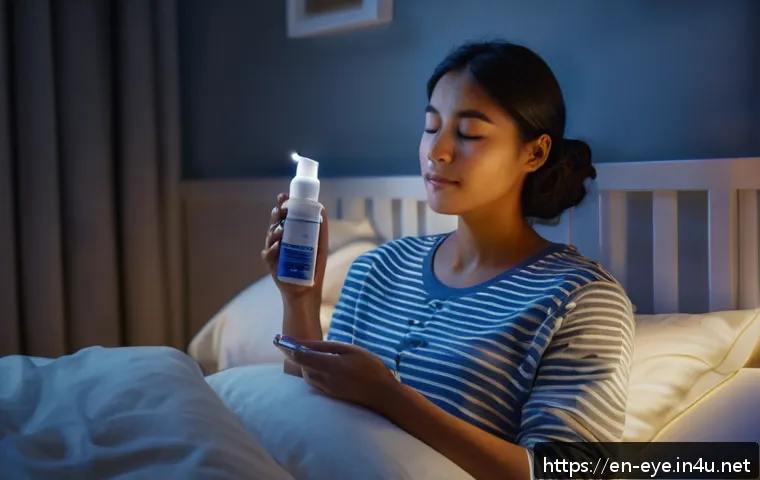
Understanding Different Types of Artificial Tears
Artificial tears vary widely—from lubricating drops to gels and ointments. I learned that thicker gels provide longer relief overnight, while lighter drops are better for daytime use without blurring vision.
Avoiding preservatives in drops is important if you need to use them frequently, as preservatives can cause further irritation.
When to Seek Professional Treatments
If over-the-counter drops aren’t enough, there are in-office treatments like punctal plugs, intense pulsed light therapy, or prescription medications that target inflammation and improve tear production.
I had a consultation with an eye specialist who recommended punctal plugs for me, and it was a game-changer in maintaining moisture throughout the day.
Incorporating Warm Compresses and Eyelid Hygiene
Warm compresses help unclog the oil glands in the eyelids, improving the tear film’s stability. I’ve made it a nightly routine to apply a warm compress and gently clean my eyelids with a specialized wipe.
This simple step drastically reduced the burning sensation and redness I used to get by afternoon.
Practical Habits to Maintain Long-Term Eye Comfort
Establishing a Routine That Works for You
Consistency is key when managing dry eyes. For me, a morning routine involving eye drops, hydration, and omega-3 supplements combined with evening eyelid care created a noticeable difference.
It’s about finding a rhythm that fits your lifestyle and sticking to it, even on busy days.
Monitoring Your Symptoms and Environmental Changes
Keeping a journal of when your eyes feel worse can help identify triggers. For instance, I noticed my symptoms spiked during allergy season and on particularly dry winter days.
Adjusting my environment or treatments based on these observations lets me stay ahead of discomfort.
Using Technology to Your Advantage
There are apps that remind you to blink, take breaks, and adjust your screen settings to reduce eye strain. I use one that also monitors ambient lighting and suggests optimal screen brightness, which has helped me avoid the midday eye fatigue that used to be a daily struggle.
Summary of Key Dry Eye Remedies and Their Benefits
| Remedy | Description | Personal Benefit |
|---|---|---|
| Humidifier | Maintains indoor air moisture to prevent tear evaporation. | Reduced eye grittiness during long office hours. |
| Omega-3 Supplements | Supports oily tear layer for better tear retention. | Improved eye comfort and less redness. |
| Frequent Blinking | Ensures tear film is evenly spread over the eye surface. | Decreased dryness during screen use. |
| Wraparound Sunglasses | Protects eyes from wind, UV rays, and pollution. | Less irritation during outdoor activities. |
| Warm Compresses | Unclogs oil glands to stabilize tear film. | Relief from burning and inflammation. |
| Artificial Tears (Preservative-Free) | Provides immediate lubrication without irritation. | Quick soothing effect during flare-ups. |
In Conclusion
Dry eye is a multifaceted condition influenced by environment, lifestyle, and diet. By understanding these triggers and making simple adjustments—from improving indoor air quality to choosing the right eye care products—you can greatly reduce discomfort. Consistency and awareness are key to maintaining healthy, hydrated eyes every day.
Helpful Tips to Remember
1. Use a humidifier in dry indoor spaces to keep your eyes moist and comfortable.
2. Take regular screen breaks and consciously blink to prevent dryness caused by prolonged digital device use.
3. Incorporate omega-3 rich foods or supplements to support your tear film’s oily layer.
4. Protect your eyes outdoors with wraparound sunglasses to shield from wind, UV rays, and pollution.
5. Maintain good eyelid hygiene and consider warm compresses to improve tear film stability.
Key Takeaways for Managing Dry Eye
Managing dry eye effectively requires a holistic approach that includes environmental control, dietary support, and proper eye care routines. Prioritizing hydration, protecting your eyes from harsh elements, and choosing preservative-free artificial tears can prevent irritation and improve comfort. Listening to your body’s signals and consulting an eye care professional when symptoms persist ensures long-term eye health and relief.
Frequently Asked Questions (FAQ) 📖
Q: What are the most effective ways to relieve dry eye symptoms caused by prolonged screen use?
A: From my experience, the key is to take regular breaks using the 20-20-20 rule—every 20 minutes, look at something 20 feet away for at least 20 seconds.
This helps reduce eye strain and encourages blinking, which naturally moistens your eyes. Additionally, using a humidifier in your workspace can prevent the air from drying out your eyes, and applying preservative-free artificial tears throughout the day offers quick relief.
I found that combining these habits made a noticeable difference in comfort during long work sessions.
Q: Can lifestyle changes actually prevent dry, irritated eyes, or are eye drops the only solution?
A: Lifestyle adjustments play a huge role and often reduce the need for frequent eye drops. Staying hydrated by drinking plenty of water supports tear production, while ensuring your environment isn’t too dry—think using humidifiers or avoiding direct air vents—helps maintain eye moisture.
Also, wearing sunglasses outdoors protects against wind and UV exposure, which can worsen dryness. I used to rely heavily on eye drops, but after incorporating these changes, my eyes felt more naturally comfortable, and my dependence on drops decreased.
Q: When should I see a doctor if my dry eye symptoms don’t improve?
A: If you’ve tried home remedies and over-the-counter drops consistently for a couple of weeks without improvement, or if you experience severe redness, pain, blurred vision, or sensitivity to light, it’s time to consult an eye specialist.
Persistent dryness can sometimes signal underlying conditions like blepharitis or meibomian gland dysfunction that require targeted treatments. Personally, visiting a specialist helped me get a tailored treatment plan, which was a game-changer for managing my symptoms effectively.