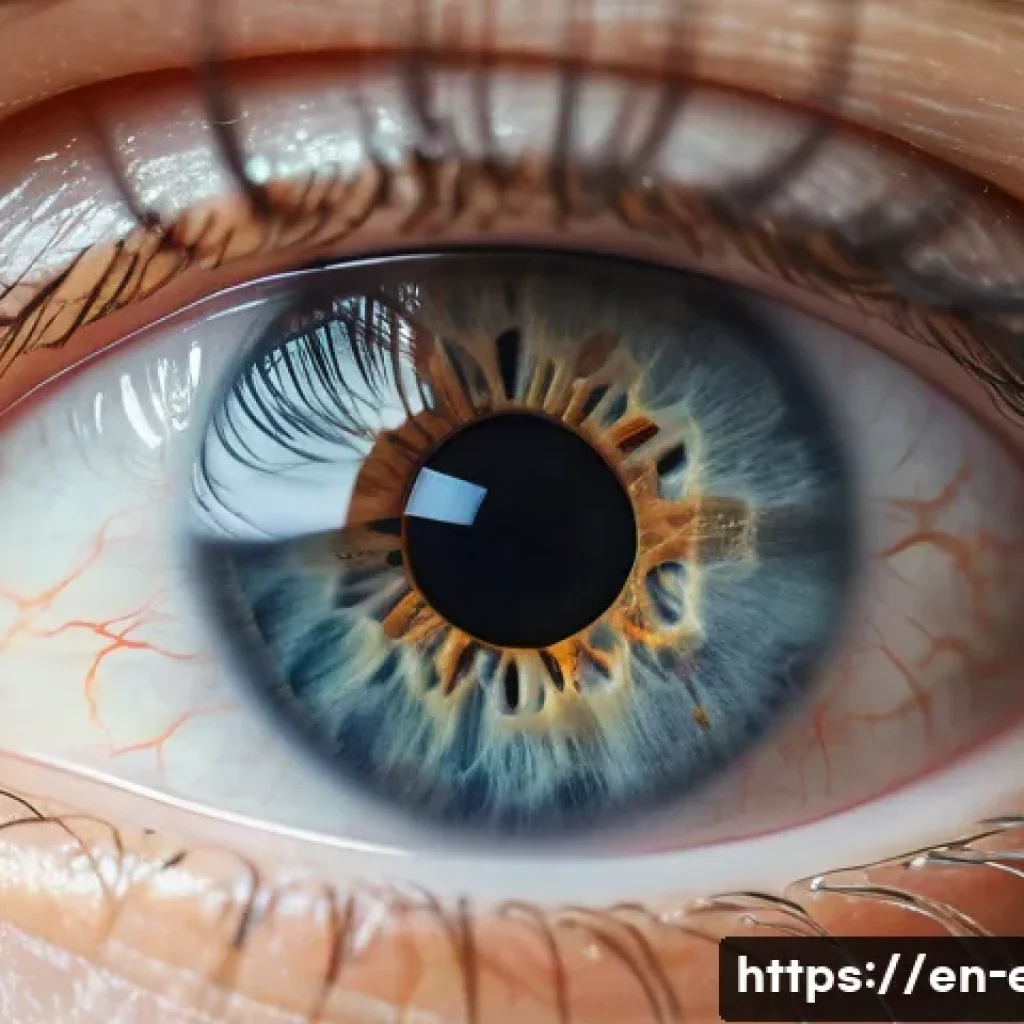
Vision changes can sneak up on you, often starting with subtle signs that are easy to overlook. Early symptoms of retinal diseases might include slight blurriness, flashes of light, or even unexpected floaters drifting across your field of vision.

Catching these warning signals early is crucial because timely treatment can prevent serious complications or permanent vision loss. Many people don’t realize how important it is to pay attention to these initial clues.
If you’ve noticed anything unusual with your eyesight, it’s worth understanding what might be going on beneath the surface. Let’s dive deeper and uncover the key early signs of retinal conditions so you can protect your vision effectively!
Recognizing Subtle Visual Disturbances
Unexplained Blurriness and Its Patterns
Sometimes, you might wake up and notice your vision isn’t as sharp as usual, or certain objects appear fuzzier than before. This isn’t always due to tired eyes or dry conditions; subtle blurriness can signal the early stages of retinal trouble.
What’s tricky is that this blurriness often fluctuates—one moment clear, the next slightly obscured—making it easy to dismiss. From my experience, if you catch yourself frequently rubbing your eyes or adjusting your glasses without relief, it’s a good idea to monitor these changes closely.
This kind of intermittent blurriness could point to swelling or damage in the retina’s light-sensitive layers.
Noticing Sudden Flashes of Light
Flashes of light, especially when they appear in your peripheral vision, can be startling. Unlike regular eye strain symptoms, these flashes are usually brief but vivid, like lightning bolts inside your eye.
I remember a friend describing this sensation as “seeing fireworks” in the corner of their vision. These flashes can indicate that the retina is being tugged or irritated, which might precede more serious issues like retinal tears.
It’s important to take this symptom seriously and seek evaluation even if the flashes don’t seem frequent at first.
Floating Specks or Shadows Drifting Across Vision
Floaters often look like tiny spots, strings, or cobweb-like shapes that move when you try to focus on them. While some floaters are harmless and common as we age, a sudden increase or new types of floaters can be alarming.
Personally, I noticed when floaters began appearing more frequently during my late 40s, and it was a reminder to get a thorough eye check. An increase in floaters can suggest changes in the vitreous gel inside the eye pulling on the retina, potentially leading to detachment if ignored.
Changes in Color Perception and Light Sensitivity
Colors Fading or Appearing Washed Out
One less talked about but equally important early sign is a shift in how colors look to you. Colors might suddenly seem duller or less vibrant, as if you’re looking through a foggy lens.
This subtle color fading can be a sign that the retina’s photoreceptors aren’t functioning optimally. From my observations, people often overlook this because it doesn’t interfere with basic vision tasks immediately, but it’s a meaningful clue that shouldn’t be ignored.
Increased Sensitivity to Light
If you find bright lights unusually harsh or if you experience discomfort in well-lit environments, this might be linked to retinal distress. This heightened light sensitivity, known as photophobia, can make everyday activities like driving at night or working under fluorescent lighting uncomfortable.
I’ve personally experienced this during a bout of retinal inflammation, and it was an early warning that led me to consult a specialist promptly.
Difficulty Adjusting Between Light and Dark
Transitioning from a bright outdoor setting to a dimly lit room might become more challenging. Your eyes may take longer to adjust, or you might feel temporarily “blind” moving from light to dark spaces.
This delayed adaptation can indicate early retinal changes, particularly affecting the rod cells responsible for low-light vision. It’s subtle but when you notice it happening repeatedly, it’s a sign to get your eyes examined.
Distortions and Missing Areas in Vision
Lines Appearing Wavy or Bent
Straight lines looking distorted or wavy is a classic early symptom of retinal problems, especially macular degeneration. I recall one patient describing looking at a doorframe and seeing it ripple like water.
This visual distortion, known as metamorphopsia, often signals swelling or damage in the central retina. It’s one of those symptoms that feels unmistakable once you notice it but can be easily missed if you’re not paying close attention.
Blind Spots or Dark Shadows in Central Vision
Having a small blind spot or shadow in your field of vision can be unsettling. This scotoma might start small and go unnoticed during casual activities but becomes apparent when reading or focusing on faces.
Experiencing these dark spots can indicate that parts of the retina are compromised, and early detection is critical to prevent worsening.
Difficulty Reading or Recognizing Faces
Subtle struggles with reading small print or identifying faces in a crowd can be early signs of retinal issues affecting central vision. I’ve seen patients initially chalk this up to needing stronger glasses, but the underlying cause was retinal degeneration.
If normal corrective lenses don’t improve this difficulty, it’s a red flag worth investigating.
Changes in Peripheral Vision and Eye Movement Sensations
Noticing Gaps in Side Vision
Peripheral vision loss is often gradual, so you might not notice it until it becomes significant. Yet, some people report bumping into objects or feeling like their side vision is “missing.” This subtle narrowing can be an early indicator of retinal detachment or other retinal diseases affecting the edges of the retina.
When I first experienced this, it felt like looking through a tunnel, and that awareness prompted me to seek help quickly.
Sensation of Eye Pressure or Movement
Sometimes, retinal problems come with a feeling of pressure or odd sensations inside the eye, like something is moving or shifting. Although it might sound unusual, these feelings can be caused by changes in the vitreous gel pulling on the retina.

Recognizing these sensations early and discussing them with an eye care professional can help catch issues before they escalate.
Summary of Key Early Signs and Their Implications
| Symptom | Description | Possible Cause | Recommended Action |
|---|---|---|---|
| Intermittent Blurriness | Fluctuating vision clarity, not corrected by glasses | Retinal swelling or damage | Schedule a retinal exam promptly |
| Flashes of Light | Brief, sudden light flashes in peripheral vision | Retinal traction or tear | Urgent ophthalmology consultation |
| New or Increased Floaters | Spots or cobweb-like shapes drifting in vision | Vitreous changes pulling on retina | Eye evaluation within days |
| Color Fading | Duller, washed-out colors | Photoreceptor dysfunction | Routine eye check-up |
| Light Sensitivity | Discomfort in bright light environments | Retinal inflammation or damage | Seek specialist advice |
| Visual Distortion | Wavy lines or bent shapes | Macular damage | Immediate medical attention |
| Blind Spots | Dark or missing areas in central vision | Retinal cell loss or detachment | Urgent retinal assessment |
When to Seek Immediate Medical Attention
Recognizing Emergency Symptoms
There are moments when a sudden change in vision demands immediate action. For example, a rapid onset of numerous new floaters combined with flashes of light and a shadow or curtain descending over your vision strongly suggests retinal detachment.
In my experience, patients who act fast in these situations have a much better chance of preserving their sight. Don’t hesitate to visit an emergency eye care center if you notice these symptoms.
Preparing for Your Eye Specialist Visit
When you do decide to see an ophthalmologist, it helps to come prepared with a detailed description of your symptoms. Note when they started, how they’ve changed, and any triggers or patterns you’ve noticed.
I’ve found that patients who track their symptoms tend to get more precise diagnoses and tailored treatment plans. Bringing a family member or friend to help remember details can also be beneficial.
Understanding Diagnostic Tests
Eye specialists use several tools to diagnose retinal conditions, such as optical coherence tomography (OCT), fluorescein angiography, and dilated eye exams.
These tests provide detailed images of the retina’s layers and blood flow, helping to pinpoint the exact problem. Knowing what to expect during these tests can ease anxiety and make the process smoother.
Practical Tips for Protecting Your Retinal Health Daily
Nutrition and Lifestyle Habits
A diet rich in leafy greens, omega-3 fatty acids, and antioxidants plays a vital role in maintaining retinal health. From personal experience, incorporating foods like spinach, salmon, and nuts made a noticeable difference in my eye comfort over time.
Avoiding smoking and managing chronic conditions like diabetes or hypertension are equally crucial since these factors directly impact retinal blood vessels.
Eye Safety and Regular Check-Ups
Protecting your eyes from UV light by wearing sunglasses and using appropriate eye protection during activities can reduce damage risk. Also, scheduling regular comprehensive eye exams, especially if you have a family history of retinal disease, is key.
Early detection through routine checks has saved many from irreversible vision loss.
Managing Screen Time and Eye Strain
In our digital age, prolonged screen use contributes to eye fatigue, which can exacerbate subtle retinal symptoms. I’ve found that taking breaks every 20 minutes using the 20-20-20 rule (looking at something 20 feet away for 20 seconds every 20 minutes) helps reduce strain.
Adjusting screen brightness and using blue light filters also support retinal comfort during long work sessions.
글을 마치며
Recognizing subtle changes in your vision early can make a significant difference in preserving your eye health. Paying attention to unusual symptoms and seeking prompt medical advice is essential. By adopting protective habits and staying informed, you empower yourself to maintain clear, healthy vision for years to come. Remember, your eyes deserve the same care and attention as any other part of your body.
알아두면 쓸모 있는 정보
1. Regular eye exams are crucial, especially if you notice even minor changes in vision or have a family history of eye disease.
2. Nutrients like lutein, zeaxanthin, and omega-3 fatty acids support retinal health and can be found in foods such as kale, eggs, and fish.
3. Using proper lighting and limiting screen time breaks eye strain and helps reduce retinal stress during digital device use.
4. Wearing sunglasses that block 100% UVA and UVB rays protects your retina from harmful solar radiation and slows degeneration.
5. Immediate attention to sudden vision changes like flashes, floaters, or shadows can prevent irreversible damage by catching retinal issues early.
중요 사항 정리
Early detection of retinal problems hinges on noticing subtle visual disturbances such as intermittent blurriness, flashes of light, and new floaters. Changes in color perception and light sensitivity often precede more obvious symptoms like distorted vision or blind spots. Prompt consultation with an eye care professional and regular comprehensive exams are vital for timely diagnosis and intervention. Maintaining a healthy lifestyle, protecting eyes from UV exposure, and managing screen use effectively support long-term retinal health. Don’t ignore persistent or worsening visual changes—acting quickly can preserve your sight and quality of life.
Frequently Asked Questions (FAQ) 📖
Q: What are the earliest signs that might indicate a retinal problem?
A: Early signs of retinal issues often start subtly. You might notice mild blurriness in your vision that doesn’t go away, sudden flashes of light in your peripheral vision, or new floaters—those tiny spots or cobweb-like shapes drifting across your sight.
These symptoms can come and go at first, so they’re easy to ignore, but they’re important warning signs that your retina might be under stress or damaged.
Q: Why is it important to seek treatment quickly if I notice these symptoms?
A: Acting fast when you spot early retinal symptoms can make a huge difference. Many retinal diseases, like retinal detachment or diabetic retinopathy, can worsen rapidly.
Early intervention can prevent permanent vision loss or serious complications. From personal experience and what eye specialists recommend, getting a prompt eye exam can catch problems before they escalate, making treatments more effective and preserving your eyesight.
Q: What should I do if I experience flashes or floaters suddenly?
A: If you suddenly see flashes of light or a significant increase in floaters, it’s crucial to get your eyes checked immediately. These symptoms can signal a retinal tear or detachment, which is an emergency.
Don’t wait for the symptoms to worsen or assume they’ll go away on their own. Visiting an eye care professional right away gives you the best chance to protect your vision and get the right treatment before any serious damage occurs.