Eye infections can be more than just a minor irritation—they have the potential to impact your vision and overall eye health if left unchecked. Everyday activities like touching your eyes with unwashed hands or exposure to contaminated surfaces can introduce harmful bacteria and viruses.

Staying informed about simple yet effective prevention strategies is essential to protect your eyes from discomfort and serious complications. From proper hygiene habits to environmental awareness, taking proactive steps can make a huge difference.
Let’s dive into the practical ways you can keep your eyes safe and healthy every day. I’ll walk you through the details to make sure you’re fully equipped!
Mastering Hand Hygiene for Eye Safety
The Critical Role of Clean Hands
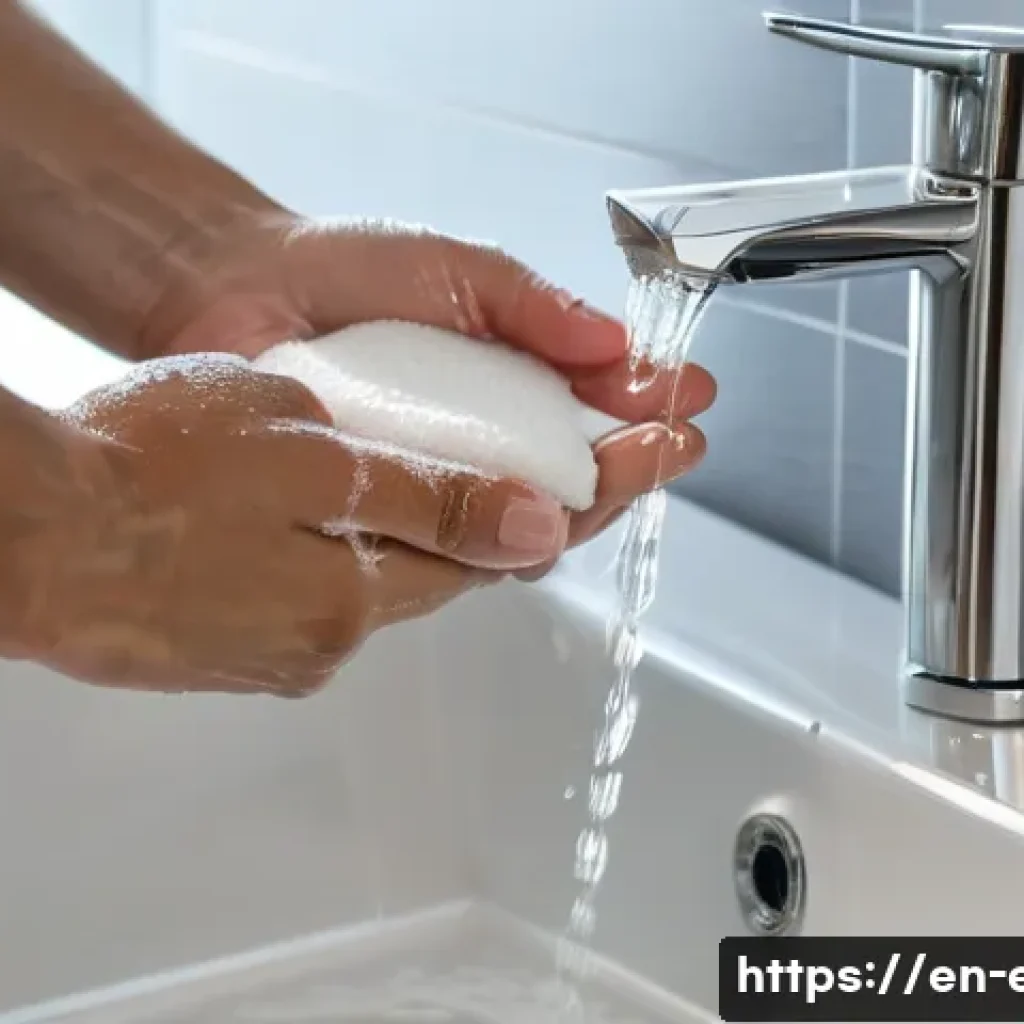
When it comes to preventing eye infections, the hands play a starring role more than we often realize. Our hands come into contact with countless surfaces daily, many of which harbor bacteria and viruses that can easily transfer to our eyes.
I noticed that whenever I was diligent about washing my hands thoroughly before touching my face or eyes, the episodes of redness or irritation drastically reduced.
It’s not just about quick rinsing; proper handwashing involves scrubbing with soap for at least 20 seconds and drying with a clean towel. This routine might seem tedious, but it’s the most straightforward defense against germs invading your eye area.
Common Mistakes That Undermine Hygiene Efforts
Even when we try to be careful, a few habits can sabotage our efforts. For example, using hand sanitizers is great, but if your hands are visibly dirty, sanitizer alone won’t cut it.
Another trap is touching your eyes unconsciously, especially when focused on your phone or computer. I often catch myself rubbing my eyes when tired, which is precisely when bacteria from my hands can sneak in.
Being mindful and breaking these subconscious habits can save you from a lot of discomfort and potential infection.
Hand Hygiene and Contact Lens Care
For those who wear contact lenses, the stakes are even higher. I’ve learned that not washing hands properly before inserting or removing lenses can introduce pathogens directly onto the eye surface.
It’s essential to wash hands thoroughly and dry them with a lint-free towel to avoid transferring fibers into the eye. Additionally, always use fresh cleaning solutions and avoid using tap water on lenses.
These steps create a safer environment for your eyes and help prevent infections like keratitis.
Optimizing Your Environment to Minimize Eye Risks
Keeping Your Surroundings Clean
The environment around you plays a surprisingly large part in eye health. Dust, allergens, and microbes can accumulate on surfaces such as desks, keyboards, and mobile devices.
I found that regularly wiping down these commonly touched items with appropriate disinfectants significantly reduces the amount of irritants in the air and on surfaces.
It’s a simple habit that keeps your personal space safer for your eyes.
Managing Air Quality and Humidity
Dry or polluted air can exacerbate eye irritation, making them more vulnerable to infection. Using a humidifier in dry climates or during winter months can help maintain moisture levels, preventing dryness and redness.
Personally, investing in an air purifier helped cut down on airborne allergens, which made a noticeable difference in how my eyes felt, especially during allergy season.
Keeping your environment comfortable and clean supports your eye’s natural defenses.
Avoiding Shared Items That Spread Germs
Sharing towels, pillows, or makeup brushes is a common yet risky practice. These items can easily transfer bacteria and viruses from one person to another.
I once experienced a minor eye infection after using a friend’s makeup brush, which taught me to be much more cautious. If sharing is unavoidable, always ensure the items are thoroughly cleaned or use disposable alternatives to minimize risk.
Smart Use of Eye Protection in Daily Life
Choosing the Right Eyewear
Eye protection isn’t just for sports or hazardous work environments; it can be crucial in everyday situations too. Sunglasses with UV protection shield your eyes from harmful rays and reduce exposure to windblown dust and debris.
I’ve noticed that wearing wraparound sunglasses on windy days helps prevent irritants from entering my eyes. Additionally, safety glasses or goggles should be worn when using chemicals or doing yard work to block out potential contaminants.
Proper Use and Maintenance of Eye Protection
Owning protective eyewear is only half the battle. They need to be cleaned regularly with appropriate solutions to prevent buildup of dirt and germs. Avoid using your shirt or tissues to clean lenses, as these can cause scratches or leave residues.
Instead, microfiber cloths and lens cleaners designed for eyewear preserve clarity and hygiene. Keeping your eyewear clean not only improves vision but also reduces the risk of transferring bacteria to your eyes.
When to Wear Eye Protection Indoors
Sometimes, indoor environments pose hidden risks. For example, in healthcare settings or during flu season, wearing eye protection can reduce exposure to infectious droplets.
Even in your home, if someone is sick, using protective glasses or goggles can help prevent virus transmission. I found that being proactive about eye protection during cold and flu outbreaks significantly lowered my chances of catching infections.
Nutrition and Lifestyle Choices Supporting Eye Health
Foods That Boost Eye Immunity
Your diet has a profound impact on your eyes’ resilience against infections. Nutrients like vitamin A, C, E, zinc, and omega-3 fatty acids support the immune system and maintain healthy eye tissues.
I started incorporating more leafy greens, fish, nuts, and citrus fruits into my meals and noticed fewer episodes of eye irritation. These foods nourish the eyes from the inside out, strengthening their natural defenses.
Hydration’s Role in Eye Comfort
Staying hydrated is key to maintaining adequate tear production, which flushes out irritants and keeps eyes moist. When I neglect water intake, my eyes feel dry, itchy, and more prone to redness.

Drinking enough water daily, especially if you spend long hours in front of screens, helps keep your eyes comfortable and less susceptible to infection.
Balancing Screen Time and Eye Rest
Extended screen time is a modern culprit for eye strain and dryness, which can weaken your eyes’ ability to fight off infections. I’ve found that following the 20-20-20 rule—looking away every 20 minutes at something 20 feet away for at least 20 seconds—relieves strain and encourages blinking.
Regular breaks prevent dryness and maintain the protective tear film, reducing infection risk.
Recognizing Early Signs and When to Seek Help
Common Symptoms to Watch For
Not all eye irritations are harmless. Redness, persistent itching, discharge, swelling, or pain can signal an infection requiring prompt attention. I learned that ignoring these signs often leads to worsening conditions and longer recovery times.
Early recognition allows for timely treatment, preventing complications that could impact vision.
Understanding When to Visit a Specialist
If symptoms persist beyond a couple of days or worsen, it’s important to consult an eye care professional. Self-medicating or delaying treatment can be risky.
I once tried over-the-counter drops for mild redness but ended up with a bacterial infection that needed prescription antibiotics. Professionals can provide accurate diagnosis and tailored treatments to safeguard your vision.
Home Care Tips While Awaiting Medical Advice
While waiting for an appointment, simple home care can ease discomfort and prevent spread. Using a clean, warm compress can soothe irritated eyes and help remove crusts or discharge gently.
Avoid touching or rubbing your eyes, and maintain strict hand hygiene. These small steps helped me manage symptoms effectively until I received professional care.
Effective Cleaning and Care for Eye Accessories
Contact Lens Hygiene Essentials
Proper cleaning and storage of contact lenses are non-negotiable for eye safety. I always use fresh, sterile solutions and avoid “topping off” old solution in the case, which can harbor bacteria.
Regularly replacing lens cases every three months also minimizes contamination risks. Neglecting these practices can lead to serious infections like microbial keratitis.
Cleaning Eyeglasses Without Risk
Eyeglasses can become a breeding ground for germs if not cleaned properly. I recommend rinsing them under lukewarm water before applying a mild soap, then drying with a microfiber cloth.
Avoid using household cleaners that may damage lens coatings or irritate your eyes. Clean glasses not only improve vision clarity but also reduce the chance of transferring germs.
Safe Storage Practices for Eye Products
Storing eye-related items in clean, dry places away from dust and moisture is crucial. I keep my contact lens solution tightly closed and avoid exposing it to heat or sunlight.
Similarly, eye drops should be stored as per instructions to maintain their effectiveness. Proper storage extends the life of these products and ensures they remain safe to use.
| Preventive Habit | Recommended Practice | Common Pitfall | Personal Tip |
|---|---|---|---|
| Hand Hygiene | Wash hands with soap for 20+ seconds, dry with clean towel | Using sanitizer on visibly dirty hands | Carry travel soap and towel for on-the-go cleaning |
| Environmental Cleanliness | Disinfect frequently touched surfaces regularly | Ignoring mobile devices and keyboards | Set a weekly cleaning reminder |
| Eye Protection | Wear sunglasses and safety glasses as needed | Not cleaning eyewear properly | Keep microfiber cloth handy at all times |
| Nutrition & Hydration | Eat vitamin-rich foods and drink plenty of water | Neglecting hydration, excessive junk food | Prepare healthy snacks to avoid temptations |
| Contact Lens Care | Use fresh solution, replace cases regularly | “Topping off” old solution, reusing cases too long | Set calendar alerts for case replacement |
글을 마치며
Maintaining impeccable hand hygiene and a clean environment is fundamental for protecting your eyes from infections and irritation. By adopting mindful habits, properly caring for contact lenses, and using appropriate eye protection, you can significantly reduce risks. Remember, small daily actions can make a big difference in preserving your eye health and comfort. Prioritize these practices to enjoy clearer, healthier vision for years to come.
알아두면 쓸모 있는 정보
1. Always wash your hands with soap for at least 20 seconds before touching your eyes or contact lenses to prevent germ transfer.
2. Regularly disinfect frequently touched surfaces like keyboards and mobile devices to minimize exposure to irritants and pathogens.
3. Use UV-protective sunglasses and safety goggles as needed, and clean them properly to avoid accumulating harmful bacteria.
4. Incorporate nutrient-rich foods such as leafy greens, nuts, and fish into your diet, and stay well-hydrated to support eye immunity and comfort.
5. Follow the 20-20-20 rule during screen use to reduce eye strain and maintain tear film integrity, lowering infection risks.
중요 사항 정리
Consistent hand hygiene is the cornerstone of eye infection prevention; neglecting it can easily introduce harmful microbes. Environmental cleanliness, including disinfection of personal items, plays a crucial role in reducing eye irritants. Proper use and upkeep of eye protection gear enhance safety, especially in risky situations. Nutrition and hydration directly influence the eyes’ ability to resist infection and stay comfortable. Finally, recognizing early symptoms and seeking timely professional care can prevent complications and preserve vision quality.
Frequently Asked Questions (FAQ) 📖
Q: How can I prevent eye infections in my daily routine?
A: One of the best ways to prevent eye infections is by practicing good hygiene consistently. Always wash your hands thoroughly with soap and water before touching your eyes, especially after being in public places or handling items like phones and keyboards.
Avoid rubbing your eyes, as this can transfer germs directly. Also, make sure to clean your makeup brushes regularly and avoid sharing eye cosmetics. If you wear contact lenses, follow your eye care professional’s guidelines for cleaning and storage to reduce infection risks.
Q: What are the common signs that indicate I might have an eye infection?
A: Eye infections often present with symptoms like redness, itching, swelling, discharge, or a gritty feeling in the eye. You might also notice increased tearing, sensitivity to light, or blurred vision.
If you experience persistent discomfort or pain, it’s crucial to see a healthcare professional promptly. Early treatment can prevent the infection from worsening and protect your vision in the long run.
Q: Are there environmental factors that increase the risk of eye infections?
A: Absolutely, environmental exposure plays a significant role in eye health. Being around dust, smoke, or polluted air can irritate your eyes and make them more susceptible to infections.
Swimming in pools without proper eye protection or in natural bodies of water can introduce harmful bacteria. Wearing sunglasses outdoors not only protects against UV damage but also helps shield your eyes from airborne contaminants.
Staying mindful of your surroundings and taking simple protective measures can greatly reduce your chances of catching an eye infection.