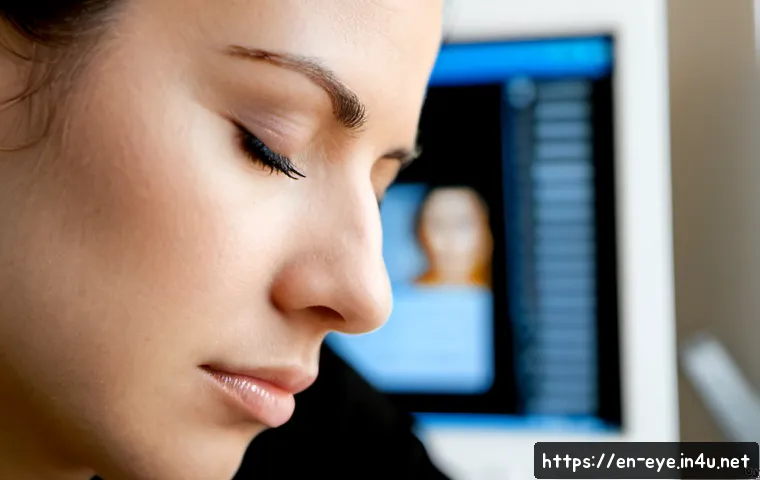
Oh, that familiar feeling! You know, when you catch a glimpse of yourself in the mirror and your eyes are looking a little… well, *red*. We’ve all been there, haven’t we?
Whether it’s after a late night binge-watching your favorite series, staring at a computer screen for hours on end, or battling seasonal allergies, those bloodshot eyes can truly make you feel and look utterly exhausted.
It’s more than just a cosmetic annoyance; often, it’s our eyes signaling that something isn’t quite right, be it digital eye strain, dryness, or environmental irritants.
In our increasingly digital world, where screens are practically glued to our hands and desks, taking care of our precious peepers has become more crucial than ever.
I’ve personally experienced the discomfort and frustration of constantly irritated eyes, and trust me, it can really throw a wrench into your day-to-day.
You want to feel fresh, alert, and ready to tackle whatever comes your way, not like you’ve been up all night or had a crying marathon! But here’s the good news: many common causes of red eyes are entirely preventable, and with a few simple, actionable strategies, you can significantly reduce that tell-tale redness and keep your eyes feeling happy and healthy.
Forget those temporary fixes that only mask the problem – we’re talking about real solutions that integrate seamlessly into your busy lifestyle. Ready to bid farewell to those tired, irritated eyes and embrace a brighter, clearer gaze?
Let’s dive in deeper below and discover how!Oh, that familiar feeling! You know, when you catch a glimpse of yourself in the mirror and your eyes are looking a little… well, *red*.
We’ve all been there, haven’t we? Whether it’s after a late night binge-watching your favorite series, staring at a computer screen for hours on end, or battling seasonal allergies, those bloodshot eyes can truly make you feel and look utterly exhausted.
It’s more than just a cosmetic annoyance; often, it’s our eyes signaling that something isn’t quite right, be it digital eye strain, dryness, or environmental irritants.
In our increasingly digital world, where screens are practically glued to our hands and desks, taking care of our precious peepers has become more crucial than ever.
I’ve personally experienced the discomfort and frustration of constantly irritated eyes, and trust me, it can really throw a wrench into your day-to-day.
You want to feel fresh, alert, and ready to tackle whatever comes your way, not like you’ve been up all night or had a crying marathon! But here’s the good news: many common causes of red eyes are entirely preventable, and with a few simple, actionable strategies, you can significantly reduce that tell-tale redness and keep your eyes feeling happy and healthy.
Forget those temporary fixes that only mask the problem – we’re talking about real solutions that integrate seamlessly into your busy lifestyle. Ready to bid farewell to those tired, irritated eyes and embrace a brighter, clearer gaze?
Let’s dive in deeper below and discover how!
Taming the Digital Beast: Smart Screen Habits

You know, for years, my eyes would feel like sandpaper by midday. I’d be squinting, rubbing, and generally just feeling utterly drained, all thanks to the endless hours I spent glued to my laptop and phone. It felt like an unavoidable part of modern life, right? But then I started experimenting with some surprisingly simple changes, and honestly, it’s been a game-changer for my eye comfort. It’s not about ditching your devices entirely – let’s be real, that’s just not practical for most of us – but rather about building smarter habits. I remember one particularly rough week where I had a huge project deadline, and my eyes were screaming. That’s when I truly committed to the 20-20-20 rule, and the difference was almost immediate. It’s like giving your eyes a mini-vacation every twenty minutes, preventing that deep-seated fatigue from setting in. This isn’t just a suggestion; it’s a lifeline for anyone spending significant time in front of a screen. And honestly, it forces you to take those tiny mental breaks that are good for your overall well-being too. It really helped me not just with redness, but also with that annoying blurry vision I used to get.
Embracing the 20-20-20 Rule
This is probably the most talked-about piece of advice, and for good reason: it genuinely works. Every 20 minutes, look away from your screen at something 20 feet away for at least 20 seconds. It sounds so simple, almost too simple, but the relief it brings is profound. I used to set a timer on my phone, and at first, it felt a little disruptive. But quickly, it became a natural pause in my workflow. My eyes could refocus, my brain got a quick reset, and I’d return to my tasks feeling much more refreshed. This small habit alone can drastically cut down on digital eye strain, which is a massive contributor to red, tired eyes. Don’t underestimate the cumulative effect of these tiny breaks throughout your day!
Optimizing Your Screen Environment
Beyond just looking away, how you interact with your screen matters a lot. I’ve found that tweaking my display settings can make a huge difference. Reducing screen brightness, especially in darker environments, and adjusting color temperature to a warmer setting (many devices have a ‘night shift’ or ‘blue light filter’ option) has been incredibly helpful. Blue light, while natural during the day, can be harsh on the eyes, especially in the evenings, messing with our circadian rhythm and contributing to eye fatigue. Also, consider your screen distance and angle. I made sure my monitor was about an arm’s length away, with the top of the screen at or slightly below eye level. This prevents your eyes from straining upwards or downwards, maintaining a more natural gaze. My personal tip? Clean your screen regularly! Dust and smudges can actually make your eyes work harder to process what’s on the display.
Hydration and Nutrition: Your Eyes’ Best Friends
It’s astonishing how much our overall health impacts our eyes, isn’t it? For the longest time, I thought eye issues were just… eye issues. But after experiencing persistent dryness and redness, I started looking into how my diet and hydration habits might be playing a role. What I discovered completely shifted my perspective. It turns out, what we put into our bodies is just as crucial for our peepers as it is for the rest of us. I used to be terrible at drinking enough water, and my eyes really paid the price. They’d feel gritty and tired, and that tell-tale redness would often appear. Once I made a conscious effort to up my water intake and incorporate more eye-friendly foods, the change was noticeable. My eyes felt less irritated, and that persistent dryness started to subside. It’s not an overnight miracle, but a consistent commitment to nourishing your body truly reflects in the clarity and comfort of your vision.
The Essential Role of Water Intake
Think of your eyes like any other part of your body that needs proper lubrication to function optimally. Dehydration, even mild, can significantly impact tear production, leading to dry, irritated, and red eyes. I’ve personally felt the difference on days I’ve been slacking on my water goals – my eyes feel tight and gritty. Aim for at least eight glasses of water a day, or even more if you’re active or live in a dry climate. Keeping a water bottle handy and sipping throughout the day makes a huge difference. It’s a simple habit, but one that has profound benefits for the overall health and comfort of your eyes, ensuring those delicate tear films are always at their best.
Power Foods for Eye Health
Beyond hydration, certain nutrients are powerhouses for eye health. I’ve started intentionally adding more omega-3 fatty acids (think salmon, flaxseeds), leafy greens rich in lutein and zeaxanthin (spinach, kale), and vitamins C and E (citrus, nuts) to my diet. These aren’t just trendy ingredients; they’re vital for protecting your eyes from oxidative stress and supporting optimal vision. My personal go-to has become a smoothie packed with spinach and berries for breakfast. It’s an easy way to sneak in those beneficial nutrients. I genuinely feel like since making these dietary adjustments, my eyes have a certain sparkle, and the redness is much less frequent. It’s like feeding them exactly what they need to thrive.
Shielding Your Gaze from Environmental Assaults
I can’t tell you how many times I’ve walked outside on a windy day or into a dusty room and instantly felt that familiar sting in my eyes, quickly followed by redness. It’s a frustrating reminder that our eyes are constantly exposed to the elements, and sometimes, those elements are less than friendly. From harsh UV rays to invisible allergens floating in the air, the environment can be a real battleground for our sensitive peepers. I used to dismiss a lot of these irritants, thinking, “Oh, it’s just a bit of dust.” But over time, I realized that these small, consistent exposures were contributing to chronic irritation and redness. It wasn’t until I became more proactive about protecting my eyes from these external aggressors that I truly started to experience consistent relief. It’s all about creating a protective barrier and being mindful of your surroundings, which, once you get into the habit, becomes second nature.
Your Best Defense: Sunglasses and Protective Eyewear
This might seem obvious, but I seriously underestimated the power of good sunglasses for years. They’re not just a fashion statement; they are absolutely crucial for shielding your eyes from harmful UV rays, which can contribute to long-term damage and irritation. When I started consistently wearing sunglasses, especially wraparound styles that offer more coverage, I noticed a significant reduction in how often my eyes felt dry or gritty after being outdoors. And beyond the sun, consider protective eyewear for specific activities. Whether I’m gardening, doing some DIY around the house, or even just cycling, a good pair of safety glasses prevents dust, debris, and wind from directly hitting my eyes. Trust me, a little prevention goes a long way in avoiding a painfully red and irritated situation.
Minimizing Exposure to Allergens and Irritants
For those of us prone to allergies, the world can feel like a constant assault on our eyes. I’ve battled seasonal allergies for years, and the itchy, watery, red eyes used to be a given. But I’ve learned to be smarter about managing exposure. Keeping windows closed during peak pollen season, using air purifiers indoors, and washing my hands frequently (especially before touching my face or eyes) have made a huge difference. It’s also about being mindful of harsh chemicals or strong fumes – whether it’s cleaning products or even heavily scented candles – as these can be incredibly irritating. If I know I’m going to be in a dusty environment, I’ll even preemptively use some lubricating eye drops to create a barrier and help flush out potential irritants. It’s all about being a detective for your own environment!
The Art of a Soothing Eye Care Ritual
I used to think “eye care ritual” sounded a bit much, like something only beauty gurus bothered with. But after struggling with consistently tired and red eyes, I realized that dedicating a little time each day to truly care for them wasn’t a luxury – it was a necessity. This isn’t about adding complicated steps to your routine; it’s about simple, effective practices that can bring immense comfort and prevent irritation before it starts. I personally found that incorporating a warm compress and making sure I was properly cleaning my eyelids made a tangible difference in how my eyes felt throughout the day. It’s like giving your eyes a mini spa treatment, and who doesn’t love that? The key is consistency, and once you start feeling the benefits, it’s easy to stick with it. It’s a small investment of time for a huge return in comfort and clarity.
Gentle Cleansing and Warm Compresses
One of the simplest yet most effective practices I’ve adopted is gentle eyelid hygiene. Our eyelids and lash lines can accumulate oils, makeup residue, and environmental debris that can block glands and cause irritation. I’ve found that a mild, hypoallergenic eyelid cleanser (or even just warm water) used with a clean cloth or cotton pad can work wonders. It helps keep those delicate areas clean and prevents blockages. Another absolute lifesaver? Warm compresses. I’m talking about simply soaking a clean washcloth in warm water, wringing it out, and placing it over your closed eyes for 5-10 minutes. The warmth helps to loosen any blockages in the oil glands (which are crucial for healthy tear film) and provides such a soothing, relaxing sensation. I often do this in the evening, and it feels like it melts away the day’s strain.
Choosing and Using Eye Drops Wisely
Navigating the world of eye drops can feel a bit overwhelming, with so many options promising different things. From my experience, the key is knowing *what* you’re using and *why*. For general dryness and irritation, preservative-free artificial tears are often the best bet. They provide lubrication without introducing chemicals that can sometimes cause further irritation with prolonged use. I always opt for single-use vials if I can, as they’re naturally preservative-free. However, if you’re dealing with redness specifically caused by allergies, an antihistamine drop might be more effective. And here’s a crucial tip I learned the hard way: avoid using decongestant “redness relief” drops too frequently. While they might make your eyes look whiter immediately by constricting blood vessels, they can lead to a rebound effect, making your eyes even redder once you stop using them. It’s a temporary fix that can create a long-term problem.
Decoding Your Eyes’ Signals: When Redness Means More

There have been times when I’ve woken up with red eyes and just shrugged it off, assuming it was a late night or too much screen time. But I’ve learned, sometimes through slightly uncomfortable experiences, that persistent or unusually severe redness can be a red flag (pun intended!). While many cases of bloodshot eyes are benign and easily treatable at home, it’s really important to know when something more serious might be going on. Ignoring certain symptoms could potentially lead to bigger problems down the line, and that’s something none of us want. I recall one instance where my eye was not just red, but also quite painful and sensitive to light. My immediate thought was ‘Oh, just tired,’ but a quick visit to my optometrist revealed it was a mild infection. It was a good reminder that our eyes are complex and deserve attention when they’re trying to tell us something significant.
Recognizing Warning Signs Beyond Simple Tiredness
So, how do you differentiate between benign redness and something that needs professional attention? From my experience, it often comes down to accompanying symptoms. If your red eyes are paired with significant pain, blurred vision that doesn’t quickly resolve, extreme light sensitivity, thick discharge, or if only one eye is affected and it feels like something is scratching it, these are definitely reasons to be concerned. I’ve also found that if the redness persists for more than a day or two despite home remedies, it’s usually a good idea to get it checked out. Our eyes are precious, and while I love sharing tips for everyday comfort, I’m a firm believer in letting the experts handle anything that feels truly out of the ordinary or concerning. Better safe than sorry, always!
When to Consult an Eye Care Professional
I’ve always advocated for regular eye check-ups, even if you feel your vision is perfect. An annual visit to an optometrist can catch underlying issues before they become noticeable problems. However, if you experience any of the warning signs I just mentioned, or if your red eyes are accompanied by fever or general unwellness, don’t hesitate. Schedule an appointment with an eye care professional (optometrist or ophthalmologist) as soon as possible. They have the tools and expertise to accurately diagnose the cause of your redness and prescribe the appropriate treatment, whether it’s medicated eye drops for an infection or addressing a more serious condition. Relying solely on internet advice for persistent or painful symptoms is never a good idea when it comes to something as vital as your vision.
Everyday Hacks for Immediate Eye Comfort
Let’s be real, sometimes you need a quick fix, right? You’re in the middle of a busy day, your eyes start feeling tired and looking a bit bloodshot, and you just need some immediate relief to get through it. I’ve definitely been there, trying to discreetly rub my eyes in a meeting or feeling self-conscious about how tired I look. Over time, I’ve collected a few go-to “hacks” that really help soothe my eyes in a pinch and reduce that immediate redness. These aren’t long-term solutions, but they’re fantastic for those moments when you need to feel and look a bit more refreshed right away. It’s about having a little arsenal of quick comforts that you can deploy throughout your day, almost like a secret weapon against eye fatigue. I’ve found that these simple actions, when done mindfully, can really turn an uncomfortable moment around.
The Cooling Power of Cold Compresses
If warm compresses are for soothing and encouraging oil flow, then cold compresses are your best friend for acute redness and puffiness. I swear by them! When my eyes feel particularly irritated or just look super bloodshot, I’ll grab a clean cloth, dampen it with cold water (even better if it’s iced water!), and gently place it over my closed eyelids for a few minutes. The cool temperature helps to constrict blood vessels, which immediately reduces redness and can also calm down any swelling or itchiness. You can even keep a couple of gel eye masks in the fridge for an even more convenient option. It’s an instant pick-me-up that makes your eyes feel refreshed and look a lot clearer in a matter of minutes. It’s like a mini power nap for your eyes!
Mindful Blinking and Eye Exercises
This might sound a little strange, but have you ever noticed how little you blink when you’re deeply focused on a screen? I certainly hadn’t until my optometrist pointed it out! Reduced blinking is a huge culprit for dry and red eyes. My simple hack? Be more mindful about blinking. I try to consciously blink fully and frequently, especially when I’m working on my computer. You can even do a few deliberate “blinking exercises” – closing your eyes tightly for a few seconds, then opening them wide, and repeating. This helps redistribute your tear film evenly across the eye surface. Another quick tip: try gently rolling your eyes in circles or looking up, down, left, and right without moving your head. These small movements can relieve tension in your eye muscles and provide a brief, refreshing break.
| Common Red Eye Causes | Symptoms | Quick Relief / Prevention |
|---|---|---|
| Digital Eye Strain | Fatigue, dryness, blurred vision, headaches | 20-20-20 rule, screen optimization, mindful blinking |
| Dry Eye Syndrome | Grittiness, burning, watery eyes (paradoxical) | Artificial tears, increased hydration, omega-3s |
| Allergies | Itching, watering, swelling, clear discharge | Antihistamine drops, avoid allergens, cold compress |
| Environmental Irritants (dust, wind) | Burning, foreign body sensation, excessive tearing | Protective eyewear, lubricating drops, avoid irritants |
| Lack of Sleep | General fatigue, dark circles, mild redness | Prioritize sleep, cold compress, gentle cleansing |
Navigating the World of Eye Products: What Really Works?
Walking down the eye care aisle can feel like stepping into a labyrinth, right? There are so many drops, ointments, and supplements, all promising to solve your eye woes. I remember feeling completely overwhelmed, just grabbing whatever had “redness relief” on the label, often without really understanding what I was putting into my eyes. Through a lot of trial and error (and some guidance from my optometrist), I’ve learned that not all products are created equal, and what works for one person might not work for another. The key, I’ve found, is to be an informed consumer and understand the basic categories of products available. It’s about tailoring your choices to your specific needs, rather than just blindly reaching for the prettiest package or the cheapest option. Investing a little time into understanding these products can save you a lot of discomfort and disappointment in the long run, and ensure you’re truly nurturing your eyes.
Understanding Different Types of Eye Drops
As I touched on earlier, eye drops are not a one-size-fits-all solution. My personal go-to for daily comfort are preservative-free artificial tears. These are fantastic for lubricating dry eyes, especially if you spend a lot of time on screens or in dry environments. The preservative-free versions (often in single-use vials) are gentler on the eyes, which is a big plus if you use them frequently. Then there are allergy eye drops, which contain antihistamines to combat itching and swelling caused by allergens – a lifesaver for me during hay fever season. And finally, those “redness relief” drops that contain vasoconstrictors. While they visibly reduce redness, I use these very sparingly, if at all, because I’ve experienced the rebound redness effect first-hand. It’s like a temporary cosmetic fix that can make the underlying problem worse over time, creating a dependency that’s hard to break. Always read the label and know what ingredients you’re using.
Considering Eye-Specific Supplements
Beyond topical solutions, I’ve also explored the world of eye supplements, and I’ve found some that truly complement my overall eye health strategy. Supplements containing omega-3 fatty acids, lutein, and zeaxanthin are often recommended by eye care professionals to support macular health and reduce symptoms of dry eye. While supplements aren’t a magic bullet and shouldn’t replace a balanced diet, I personally feel that adding a high-quality omega-3 supplement has helped improve the quality of my tears and reduced that persistent gritty feeling I used to get. It’s like giving your eyes extra internal support. Of course, always chat with your doctor or eye care specialist before starting any new supplement regimen, especially if you’re on other medications. They can offer personalized advice based on your individual health profile and specific eye concerns, ensuring you’re making the best choices for your vision.
Wrapping Things Up
Whew! We’ve covered a lot of ground today, haven’t we? It truly warms my heart to share these insights, because I know firsthand the sheer relief that comes from finally taming those persistently red, tired eyes. What started as a personal quest for comfort has genuinely transformed into a passion for helping others navigate the digital demands of modern life with greater ease. Remember, your eyes are incredible tools, and they deserve all the care and attention you can give them. It’s not about achieving perfection overnight, but about consistently integrating these small, mindful habits into your daily routine. Believe me, the cumulative effect of these simple changes will be a revelation, leaving your eyes feeling refreshed and your mind clearer. I’ve personally experienced the shift from dreading long screen sessions to confidently tackling my work without that nagging eye discomfort, and I truly hope you will too.
Useful Information to Know
1. Consider a Humidifier: Especially if you live in a dry climate or use air conditioning/heating frequently, a small humidifier near your workspace can add moisture to the air, directly benefiting your eyes and reducing dryness. It’s a game-changer many overlook. I noticed a marked difference in how my eyes felt during winter months once I placed a discreet desktop humidifier in my office.
2. Blue Light Filtering Glasses: While screen settings can help, dedicated blue light filtering glasses can provide an extra layer of protection, particularly if you’re sensitive to blue light or spend extremely long hours in front of screens. Just make sure to choose a reputable brand; not all are created equal. I keep a pair right next to my laptop for those extended writing sessions.
3. Ergonomic Setup Matters: Beyond screen distance, ensure your chair, desk, and monitor height promote good posture. An improper setup can lead to neck and shoulder strain, which can indirectly contribute to eye fatigue. My own experience taught me that adjusting my chair height significantly reduced my overall tension, which somehow translated to less eye strain.
4. The “Palming” Technique: A simple relaxation exercise, palming involves gently covering your closed eyes with the palms of your hands (without applying pressure) for a few minutes. The darkness and warmth can be incredibly soothing, allowing your eye muscles to relax and recover from visual stress. It’s a fantastic mini-break when you can’t step away from your desk.
5. Regular Eye Exams Aren’t Just for Prescriptions: Even if your vision seems perfect, annual eye exams are vital. Optometrists can detect early signs of eye diseases, assess your overall eye health, and provide personalized advice tailored to your lifestyle, often catching issues long before they cause noticeable symptoms. It’s peace of mind, really.
Key Takeaways
Alright, friends, let’s distill this down to the absolute essentials. What I want you to walk away with today is the understanding that caring for your eyes isn’t a chore; it’s a profound act of self-care that impacts your entire well-being and productivity. From my personal journey, I’ve learned that consistent, small habits like the 20-20-20 rule and optimizing your screen environment are foundational. Don’t underestimate the power of hydration and nutrient-rich foods – your diet literally fuels your vision. Shielding your eyes from environmental aggressors, whether it’s UV rays with quality sunglasses or allergens through smart home practices, is crucial for preventing irritation. And please, embrace a soothing eye care ritual; those warm compresses and mindful cleansing steps make a world of difference. Most importantly, listen to your eyes. They communicate with you constantly, and recognizing when persistent redness or pain signals a need for professional attention is paramount. It’s all about creating a sustainable lifestyle where your eyes feel comfortable, look clear, and support your vibrant life. Trust me, your future self will thank you!
Frequently Asked Questions (FAQ) 📖
Q: Why do my eyes constantly look red, especially after a long day of screen time? Is this something I should be worried about?
A: Oh, I totally get it! That feeling of catching your reflection and seeing those bloodshot eyes staring back, especially after a marathon work session or a late-night Netflix binge.
From my own experience, and from what I’ve learned, one of the biggest culprits in our modern world is definitely digital eye strain, often leading to dry eyes.
When we’re glued to screens, we simply don’t blink as often as we should. It’s like our eyes are just staring and drying out, making them look all tired and irritated.
Think about it: normally we blink about 15-20 times a minute, but that can drop by half when we’re focused on a screen! This reduced blinking means our natural tear film isn’t getting refreshed, which can cause that redness and discomfort you’re feeling.
Beyond that, things like seasonal allergies, environmental irritants like dust or smoke, and even just plain old lack of sleep can contribute. Now, when should you worry?
If the redness is accompanied by pain, discharge, blurred vision, sensitivity to light, or if it doesn’t clear up after a day or two with home remedies, then it’s absolutely time to get it checked out by an eye doctor.
Your eyes are too important to take chances with!
Q: I have an important presentation this afternoon and my eyes are super red. What’s a quick, effective trick to reduce the redness fast?
A: Been there, done that! There’s nothing worse than wanting to look sharp for a big event and your eyes betraying you. For a fast fix, my absolute go-to is a cold compress.
Just grab a clean cloth, soak it in cool water (you can even pop it in the fridge for a few minutes for extra chill), wring it out, and gently place it over your closed eyelids for 5-10 minutes.
The coolness helps constrict the blood vessels and can really take down that immediate redness and puffiness. Another thing I always keep on hand are preservative-free artificial tears.
These aren’t like the “red-reducing” drops that just mask the problem – these actually lubricate your eyes, washing away irritants and restoring moisture, which can naturally reduce redness if dryness is the cause.
I find they give my eyes a much-needed sigh of relief. Just remember, these are temporary fixes to get you through the moment, not long-term solutions, but they’re lifesavers in a pinch!
Q: I’m tired of constantly battling red eyes. What are some long-term strategies I can adopt to prevent them from recurring?
A: This is where you really start taking control and giving your eyes the love they deserve! After years of struggling with tired, red eyes, I’ve found that consistency with a few simple habits makes all the difference.
First off, embrace the 20-20-20 rule, especially if you’re on a screen all day. Every 20 minutes, look at something 20 feet away for at least 20 seconds.
It sounds simple, but it gives your eye muscles a much-needed break and helps you blink more naturally. Second, optimize your environment: consider a humidifier, especially in dry climates or air-conditioned offices, to keep the air from zapping moisture from your eyes.
Make sure your screen is properly positioned, about an arm’s length away and slightly below eye level, and adjust the brightness to match your room. I’ve also found that staying well-hydrated throughout the day and ensuring I get at least 7-8 hours of quality sleep each night are non-negotiables.
And if you suspect allergies, talk to your doctor about managing them, because persistent allergens can constantly irritate your eyes. Trust me, integrating these habits isn’t just about clearer eyes; it’s about feeling more energetic and focused overall!