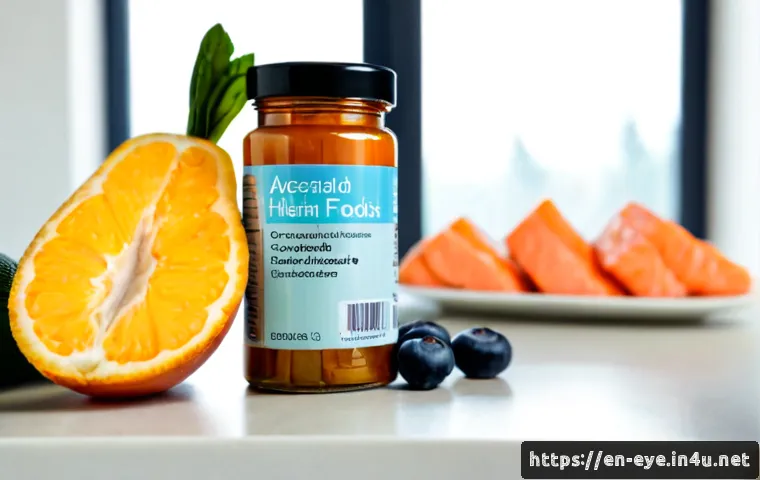
The best eye-health vitamin depends on your diet, any diagnosed eye condition, smoking history, and how clearly a product label explains its ingredients.

For general wellness, food-first nutrition or a standard multivitamin may be enough; a targeted formula may be worth comparing when it fits a specific need discussed with an eye-care professional.
Lutein and zeaxanthin are common choices for vision support, while AREDS2-style products have a more specific context. Do not choose based on a front-label promise alone.
Compare the dose per serving, ingredient form, third-party testing, and ongoing monthly cost before buying. Supplements can support nutrition, but they do not replace routine eye exams or individualized advice.
At a Glance
- Lutein and zeaxanthin are carotenoids found in the retina and are common ingredients in eye-health supplements.
- AREDS2-style formulas are intended for a specific age-related macular degeneration context, not every vision concern.
- Before buying, compare the full label, smoking considerations, testing information, and cost per serving.
| Option | Common Use Case | What to Check on the Label | Value Consideration |
|---|---|---|---|
| Food-first approach | Everyday nutrition support | Leafy greens, colorful vegetables, eggs, fish, nuts, and citrus in regular meals | May be the simplest option when dietary variety is the priority |
| Standard multivitamin | Broad nutrition support | Overlap with other vitamins, especially vitamin A | Compare serving size and whether you already use separate supplements |
| Targeted lutein/zeaxanthin formula | People seeking a focused eye-health supplement | Named amounts, serving size, transparent ingredient list, testing | A simpler formula may be easier to compare and avoid unnecessary overlap |
| AREDS2-style formula | People advised about certain age-related macular degeneration concerns | Vitamin C, vitamin E, zinc, copper, and smoking-related ingredient considerations | Professional guidance matters more than a low bottle price |
The Short Answer: Which Nutrients Matter Most for Vision Support?
There is no single best eye vitamin for every adult. A sensible choice starts with your regular diet, your reason for shopping, and whether you have received an eye-health diagnosis. Lutein, zeaxanthin, vitamins, minerals, and omega-3 fatty acids may all appear in eye formulas, but they are not interchangeable.
Lutein and zeaxanthin for macular pigment support
Lutein and zeaxanthin are carotenoids found in the retina. They are widely included in targeted eye-health supplements and can also come from food. If you are comparing products, look beyond a large front-label claim and find the exact ingredients and serving details on the Supplement Facts panel.
A focused lutein and zeaxanthin product may appeal to someone who wants fewer ingredients than a broad antioxidant blend. That does not mean it will improve an individual’s vision or solve a specific symptom. Transparent dosing and a clearly stated serving size make products easier to compare.
Vitamins and minerals commonly found in eye formulas
Vitamin A supports normal vision, but more is not automatically better. Excessive intake of preformed vitamin A can be harmful, especially when several supplements overlap. Vitamin C, vitamin E, zinc, and copper are also commonly seen in eye-health products; these nutrients were included in the AREDS2 formula studied for certain people with age-related macular degeneration.
When comparing an antioxidant formula, ask a basic question: does it add something you are not already taking? A standard multivitamin plus an eye formula can create unnecessary duplication. Read both labels before adding another product to your routine.
Why supplements cannot replace an eye exam or a balanced diet
Eye supplements are not designed to prevent every eye condition, and AREDS2 supplements do not replace routine eye exams. A supplement also cannot reveal the reason behind blurry vision, discomfort, or a noticeable change in sight. For routine wellness, a balanced eating pattern remains an important foundation.
Compare Common Eye Supplement Ingredients Before You Buy
The best supplement comparison is not simply “more ingredients versus fewer ingredients.” It is about matching a formula to a real purpose while avoiding ingredients that do not fit your health history.
Standard multivitamin vs. targeted eye-health formula
A standard multivitamin is designed for broad nutrient coverage. A targeted eye-health formula usually emphasizes carotenoids, selected antioxidants, minerals, or omega-3s. If your goal is general nutrition, a targeted product may not be necessary. If you are considering a focused formula, check whether its label is clear enough to compare with food intake and other supplements.
A simpler formula can be a value feature when it helps you avoid duplicate ingredients and makes recurring costs easier to understand.
Lutein, zeaxanthin, omega-3s, and antioxidant blends
Lutein and zeaxanthin are central ingredients in many vision-support products. Omega-3 fatty acids are often marketed for dry-eye support, but individual results and clinical recommendations can vary. Antioxidant blends may combine several vitamins and minerals, which can be convenient but can also make overlap harder to spot.
Do not assume that a long ingredient list is better. Consider whether each ingredient has a clear reason to be there for you. If you have diagnosed eye concerns, use your eye-care professional’s advice as the starting point rather than marketing language.
What “per serving” and “proprietary blend” labels can hide
Always compare products by per serving, not just by capsule count or bottle size. One product may require more than one capsule for a serving, which changes its practical cost and convenience. A proprietary blend may list ingredients without clearly showing the amount of each one, making a meaningful comparison difficult.
For easier supplement selection, favor labels that state individual ingredient amounts, serving instructions, allergen information, and any available third-party testing details. These basics do not guarantee a result, but they help you make a more informed purchase decision.
When an AREDS2-Style Formula May Be Relevant
AREDS2-style formulas deserve separate consideration because they relate to a specific eye-health context. They should not be treated as a universal “vision vitamin” for screens, everyday eye comfort, or unexplained vision changes.
The specific eye-health context behind these formulas
The AREDS2 formula included vitamin C, vitamin E, zinc, and copper and was studied for certain people with age-related macular degeneration. That context matters. A product using “AREDS2” or similar wording may not be the right choice simply because you want to support eye health in general.
Why diagnosis and smoking history should shape the choice
Smoking status matters when evaluating some eye supplement formulas, particularly products containing beta-carotene. Do not overlook this detail when comparing labels. A formula that appears similar to another product can differ in an ingredient that changes the conversation for current or former smokers.
For someone with a diagnosed eye condition, the right question is not “Which bottle has the most antioxidants?” It is “Which formula, if any, fits my diagnosis, history, and current care plan?”
Questions to ask an eye-care professional before starting
Bring the product label or a photo of the Supplement Facts panel. Ask whether the formula fits your diagnosed condition, whether it overlaps with your current vitamins, and whether your medical history or medications call for extra caution. This is especially useful before starting an AREDS2-style supplement.
Safety Checks and Mistakes to Avoid
Supplements can look simple, but label combinations can become complicated quickly. A short safety review before checkout can prevent avoidable mistakes.
Avoiding excessive vitamin A and overlapping supplements
Vitamin A supports normal vision, yet excessive preformed vitamin A intake can be harmful. Check whether your multivitamin, eye formula, and any separate vitamin product contain overlapping forms of vitamin A. The same principle applies to other vitamins and minerals included across multiple products.
Medication interactions and health conditions to review

If you take prescription medications, are pregnant, have a diagnosed eye condition, or manage other health conditions, review a new supplement with an appropriate health professional. The “natural” label does not answer whether a formula fits your individual situation.
Warning signs that should prompt professional eye care
Do not use a supplement purchase as a substitute for evaluation when you have new, persistent, or worsening vision concerns. An optometrist or ophthalmologist can assess eye health in a way a supplement label cannot. Routine exams also remain important when you feel well.
Food, Screen Habits, and Daily Choices That Support Eye Comfort
Supplements work best as one part of a broader routine, not as a replacement for meals, eye care, or practical daily habits.
Food sources that complement a supplement plan
Leafy greens and colorful vegetables can contribute carotenoids relevant to eye health. Eggs, fish, nuts, and citrus can also contribute nutrients commonly discussed in vision-support routines. A food-first approach may be especially appealing if you prefer to improve overall nutrition before committing to a recurring supplement purchase.
Screen breaks, lighting, hydration, and dry-eye habits
Screen-related discomfort has more than one possible cause, so a vitamin is not a complete answer. Consider your screen breaks, room lighting, hydration, and daily dry-eye habits alongside any supplement decision. Omega-3 products are often marketed for dry-eye support, but individual experience and clinical recommendations vary.
Setting realistic expectations for eye strain and vision changes
A supplement may support nutrition, but it cannot promise sharper vision, eliminate eye strain, or prevent eye disease for every person. If your main concern is a change in vision rather than general wellness, an eye exam is usually a more useful next step than switching products repeatedly.
Choosing a Formula: Value, Quality, and Final Comparison
Before selecting an eye-health supplement, focus on clarity rather than hype. A product is easier to evaluate when the label explains exactly what you receive and why it may fit your situation.
A practical label checklist: dose, testing, allergens, and format
Look for a clearly stated serving size and individual ingredient amounts. Check whether the manufacturer provides third-party testing information, and review allergens and the product format if those factors affect your use. Avoid assuming that a proprietary blend or a long list of claims signals higher quality.
Comparing monthly cost instead of bottle price
Bottle price alone can be misleading. Compare the number of servings, the number of capsules required per serving, and how often you would need to repurchase. This gives a clearer view of the recurring monthly cost without relying on promotional pricing that can change by retailer and location.
When a lower-cost food-first approach may be the better value
If you do not have a diagnosed condition that calls for a specific formula, adding more leafy greens, colorful vegetables, eggs, fish, nuts, and citrus may be a practical first move. This approach supports overall dietary quality and avoids unnecessary ingredient overlap. A targeted supplement may still be worth discussing if it addresses a clear need identified with an eye-care professional.
Selection Criteria and Comparison Summary
Use these decision-stage checks before choosing: compare dose, form, testing, and recurring monthly cost; confirm whether the formula overlaps with a multivitamin; check for beta-carotene if smoking history is relevant; avoid excessive preformed vitamin A; and match AREDS2-style products to professional guidance rather than general marketing. For product-specific ingredients, serving directions, allergen details, and testing information, check the official product page or label before purchase.
In Closing
The most useful eye-health supplement is not necessarily the most expensive or the most complex one. Lutein and zeaxanthin are common ingredients to compare, while AREDS2-style formulas have a more specific role for certain people. Food choices, label transparency, and routine eye care all matter. When vision changes or diagnosed eye conditions are part of the picture, personalized professional guidance should come before a purchase.
Useful Things to Know
Food sources matter: leafy greens, colorful vegetables, eggs, fish, nuts, and citrus can contribute nutrients relevant to eye health.
Read the serving size: capsule count does not always equal the number of servings.
Watch for overlap: combining a multivitamin with an eye formula can duplicate vitamins and minerals.
Keep expectations realistic: a supplement is not a substitute for an eye exam or a diagnosis.
Important Notes
This article provides general supplement comparison information, not a diagnosis or individual medical recommendation. Whether a supplement is appropriate, what dose to use, and how long to take it depend on diet, health history, medications, smoking status, and eye-care advice. Product prices, availability, insurance coverage for eye exams, and product testing details vary by retailer, plan, manufacturer, and location.
Frequently Asked Questions
Q1. What vitamins are most commonly included in eye-health supplements?
A1. Common ingredients include lutein, zeaxanthin, vitamin A, vitamin C, vitamin E, zinc, copper, and sometimes omega-3 fatty acids. Formulas vary, so compare the Supplement Facts panel rather than relying on the product name.
Q2. Are lutein and zeaxanthin supplements worth the cost compared with getting them from food?
A2. It depends on your diet, goals, and whether you want a targeted formula. Leafy greens, colorful vegetables, and eggs can contribute relevant nutrients. A supplement may be worth considering when its label is transparent, its cost per serving fits your budget, and it does not overlap unnecessarily with other products.
Q3. Is an AREDS2 supplement safe for everyone?
A3. AREDS2-style supplements are not intended as a universal eye-health product. They relate to certain people with age-related macular degeneration, and smoking history matters when evaluating formulas that contain beta-carotene. Discuss the product with an eye-care professional if you have a diagnosis, take medications, are pregnant, or have other health concerns.
Q4. Can vitamins improve blurry vision or reduce screen-related eye strain?
A4. A supplement cannot be expected to improve every person’s vision or resolve screen-related eye strain. Screen habits, lighting, hydration, dry-eye routines, and the cause of the symptom can all matter. New, persistent, or worsening vision concerns should be assessed by an optometrist or ophthalmologist.