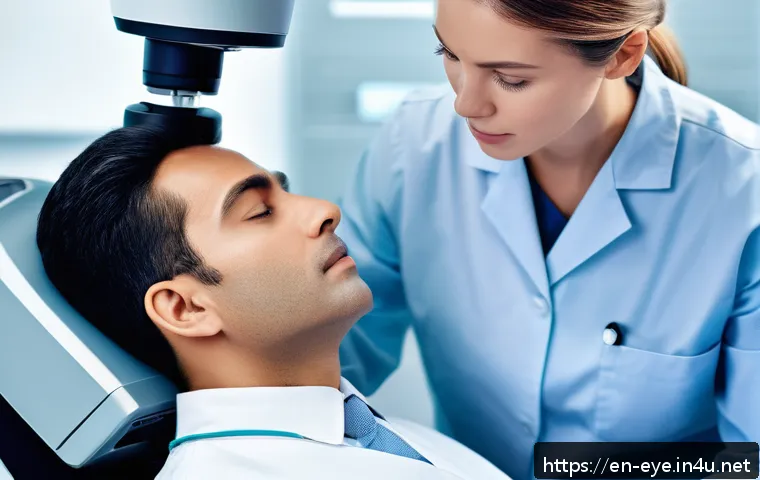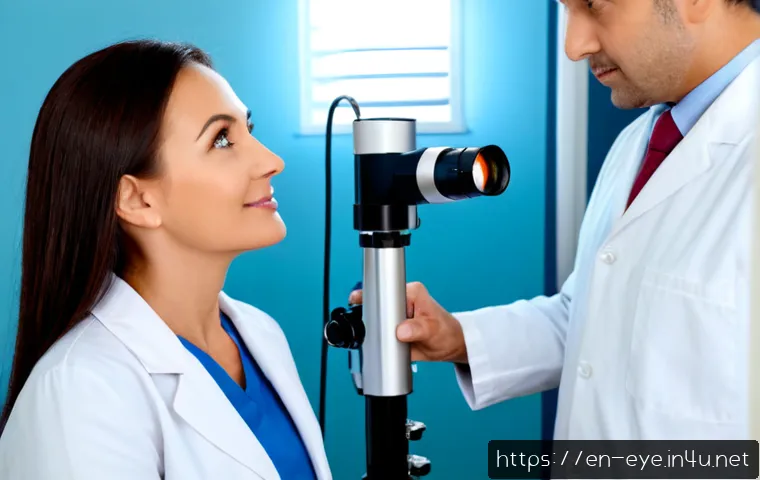
Newer dry eye treatments can target tears, inflammation, or blocked oil glands. Compare IPL, thermal treatments, prescriptions, expected costs, safety questions, and when an eye-care evaluation may be worthwhile.

Newer dry eye treatments are not automatically better; the right option depends on whether symptoms are linked to inflammation, low tear production, rapid tear evaporation, or blocked oil glands. An eye-care evaluation can help match prescription therapy or an in-office procedure to the likely cause rather than a device trend.
For people comparing dry eye clinics, the main decision is usually value: what problem is being treated, what follow-up is included, and what may be paid through insurance or out of pocket. Prescription options, thermal gland treatments, and IPL protocols serve different purposes. A treatment that helps one type of dry eye may not solve another. Persistent symptoms can also be affected by contact lenses, screen use, dry indoor air, medications, eyelid conditions, autoimmune disease, or previous eye surgery. Asking for a complete treatment estimate before scheduling makes comparisons clearer.
At a Glance
- Match the treatment to the cause: dry eye can involve tears, inflammation, evaporation, or more than one factor.
- Office procedures are not interchangeable: heat-based gland care and IPL may be considered for selected patients with oil-layer or eyelid-related concerns.
- Compare the full commitment: ask about diagnostics, follow-up visits, repeat sessions, insurance review, and self-pay responsibility.
| Treatment path | Likely focus | Convenience and follow-up | Payment considerations |
|---|---|---|---|
| Supportive home care | Daily symptom support and environmental factors | Ongoing routines; may be used alongside clinical care | Ask which products or routines are appropriate for your plan |
| Prescription dry eye therapy | Inflammation or tear production, depending on the product and diagnosis | Requires clinician guidance and follow-up | Insurance coverage and pharmacy costs can differ by plan and medicine |
| Thermal treatment and gland expression | Meibomian gland dysfunction and oil-layer concerns | Office-based; ongoing home care or future follow-up may still be needed | Procedure quotes may be separate from a routine eye exam |
| IPL protocols | Selected patients with dry eye and eyelid-related treatment considerations | Clinician-directed visits; candidacy should be reviewed first | Ask whether the estimate includes assessment, sessions, and follow-up |
| Nasal spray options | Tear production, depending on the prescribed product and diagnosis | Prescription use and clinical follow-up | Confirm formulary status and expected out-of-pocket costs with your plan |
What Newer Dry Eye Options Can and Cannot Do
The Short Answer: Match the Treatment to the Cause, Not the Trend
Dry eye disease is not one single problem. It may involve inadequate tear production, excessive tear evaporation, inflammation on the eye surface, or a combination of these drivers. Newer treatment technology may be useful when it addresses the problem found during an examination. It cannot reliably be chosen from a device name, an online promotion, or another person’s experience.
Meibomian glands produce the oil layer that slows tear evaporation. When these glands are not functioning well, evaporative dry eye may become an important part of the treatment discussion. That does not mean every person with dryness needs a gland-focused procedure.
Why Persistent Symptoms Need More Than Frequent Artificial Tears
Artificial tears may be part of supportive care, but persistent symptoms can have more than one cause. If inflammation, reduced tear production, eyelid conditions, or oil-layer problems are involved, frequent use of the same approach may not address the underlying driver. A dry eye consultation can help separate supportive symptom care from treatment directed at a specific finding.
When Blurred Vision, Pain, or Light Sensitivity Needs Prompt Eye-Care Assessment
Blurred vision, pain, or light sensitivity should not be treated as a routine shopping decision for dry eye products or procedures. Prompt assessment by an eye-care professional is important, particularly when symptoms are persistent or changing. An examination can help determine whether dry eye is the likely explanation and guide the appropriate next step.
Compare Treatment Paths Before Paying for a Procedure
Prescription Therapies for Inflammation or Tear Production
Prescription dry eye medicines may be used to address inflammation or stimulate tear production, depending on the product and the patient’s diagnosis. A useful comparison question is simple: what is this prescription intended to treat in my case? Also ask how follow-up will be handled and whether contact lens use, current medications, or medical history changes the plan.
When comparing prescription options, insurance status matters. Coverage, pharmacy costs, and prior plan requirements can vary. A clinic or pharmacy may be able to help clarify benefit questions, but individual coverage still needs confirmation.
Heat and Gland-Expression Treatments for Oil-Layer Problems
Heat-based gland expression is an in-office approach that may be considered for selected patients with meibomian gland dysfunction. Because the glands contribute the oil layer of tears, this route is generally discussed when evaluation suggests an evaporative component. The key point is not whether the technology is new; it is whether the eye-care findings support a gland-focused treatment plan.
Before accepting a dry eye procedure quote, ask what the office considers part of treatment. Diagnostics, clinician visits, eyelid assessment, follow-up, and any possible repeat treatment may be listed separately.
IPL and Other Light-Based Approaches: Questions to Ask About Candidacy
Intense pulsed light, often called IPL, is one clinician-directed option that may be included in dry eye treatment planning for selected patients. Candidacy, safety considerations, and expected treatment protocol need individual review. Pregnancy, medical conditions, eye medications, and other personal factors may affect suitability.
Ask the clinic what finding makes IPL relevant, what alternatives are being considered, and what ongoing care may still be recommended. Avoid assuming that a light-based procedure will provide lasting relief for every patient or remove the need for home care.
Comparison Table: Target Problem, Visit Commitment, Ongoing Care, and Payment Factors
The early comparison table is best used as a starting framework, not a treatment recommendation. Target problem, visit commitment, ongoing care, and total cost exposure are the practical points to compare. A lower initial quote may not represent the full cost if diagnostics, follow-up visits, or repeat sessions are separate.
How a Dry-Eye Evaluation Guides the Right Technology
Tear-Film Testing, Eyelid Assessment, and Meibomian Gland Evaluation
A dry eye evaluation may include tear-film assessment, corneal staining, eyelid assessment, and meibomian gland imaging. These tools can help an eye-care professional identify likely contributors to symptoms. This is why a diagnostic visit can be more useful than self-selecting a treatment package based only on marketing language.
Symptoms That May Point to Evaporative Versus Aqueous-Deficient Dry Eye
Symptoms alone may not clearly identify the subtype. Evaporative dry eye may be connected with an oil-layer problem, while inadequate tear production may lead the discussion in other cases. Since dry eye can be mixed, an exam is the practical way to determine whether inflammation, tears, glands, or several factors should be addressed.
Why Contact Lenses, Medications, and Medical History Change the Plan
Contact lens use, screen time, dry air, eyelid conditions, medications, autoimmune disease, and prior eye surgery can affect symptoms and treatment planning. Bring a current medication list and explain your lens routine during a dry eye clinic consultation. These details can influence whether a prescription, office procedure, supportive home care, or a combined plan is considered.
Costs, Insurance, and Common Decision Mistakes

Why Office Procedures Are Often Quoted Separately From Routine Eye Exams
Dry eye procedure pricing may be separate from a routine eye examination because diagnostic testing, clinician-directed treatments, and follow-up can be structured differently by each practice. Exact out-of-pocket costs, availability, session counts, and insurance coverage vary by clinic, location, treatment protocol, and health plan. Request an individualized estimate instead of relying on general price ranges.
Questions to Ask for a Complete Treatment Estimate
- Does the quote include the dry eye evaluation and diagnostic testing?
- Are follow-up visits included, and how are additional visits billed?
- Does the estimate include all planned sessions or only the first treatment?
- What part, if any, may be submitted to insurance?
- What ongoing home care, prescription therapy, or repeat treatment might still be discussed?
Avoiding Package Pressure, Guaranteed-Result Claims, and Device-First Decisions
A procedure package should not replace an explanation of the diagnosis. Be cautious if a clinic cannot clearly describe the intended treatment target, diagnostic findings, follow-up plan, and total expected cost. No dry eye technology can be assumed to work the same way for every person. A clear consultation should leave room to compare alternatives and ask questions before paying.
Practical Care Steps That May Support Clinical Treatment
Screen Habits, Indoor Humidity, Eyelid Hygiene, and Lens Routines
Screen time, dry air, eyelid conditions, and contact lens use can affect dry eye symptoms. Discuss practical habits with an eye-care professional, including your screen routine, indoor environment, eyelid care, and lens routine. These details may support a broader treatment plan, but they do not replace evaluation when symptoms remain persistent.
How to Track Symptom Patterns Between Appointments
Keep a simple record of when symptoms occur and what seems to be present at the time. Note screen use, contact lens wear, dry indoor conditions, and changes after starting a prescribed therapy or office treatment. This information can make a follow-up appointment more specific and help the clinician assess whether the current plan matches the symptom pattern.
When Over-the-Counter Drops May Be Insufficient or Irritating
If over-the-counter drops are not providing adequate support, frequent use alone does not identify the reason. It may be time to discuss persistent symptoms, current products, and possible dry eye drivers with an eye-care professional. Bring the products you use, or a list of them, to the appointment so they can be considered in the overall plan.
Selection Criteria and Comparison Summary
Choose a dry eye treatment based on the diagnosed driver of symptoms, not the newest device or the most prominent advertisement. Compare the clinic’s diagnostic approach, the clinician’s explanation of candidacy, expected follow-up, insurance review, and the complete self-pay estimate. Confirm whether a recommendation targets inflammation, tear production, meibomian gland dysfunction, or a mixed condition. Ask whether contact lenses, medications, medical history, or prior eye surgery could change the plan. Use these questions when comparing local dry-eye clinics and treatment estimates. Official treatment details and coverage conditions can be reviewed on the relevant clinic, insurer, or prescription information page.
Final Thoughts
Newer dry eye treatments can expand the options available through an eye-care clinic, but they are not one-size-fits-all solutions. The most useful first step is usually a careful evaluation of the tear film, eye surface, eyelids, and meibomian glands. From there, compare prescriptions, office procedures, and supportive care based on the likely cause and total commitment. Take time to understand what is included before agreeing to a procedure.
Useful Things to Know
1. Meibomian gland dysfunction is a common contributor to evaporative dry eye because these glands produce the oil layer that slows tear evaporation.
2. Dry eye can have more than one driver, so a combined care plan may be discussed.
3. Treatment response may take time, and a helpful treatment for one subtype may not address another.
4. A complete cost comparison includes diagnostics, follow-up, possible repeat sessions, prescriptions, and home care.
Important Notes
This information is for general comparison purposes and does not determine which dry eye treatment is appropriate for an individual. Exact pricing, insurance coverage, treatment availability, session requirements, safety considerations, and suitability must be confirmed with the treating eye-care professional, clinic, and insurance plan. Do not assume that an office procedure eliminates the need for ongoing care or works equally well for every dry eye subtype.
Frequently Asked Questions
Q1. Are IPL and thermal treatments safe for dry eye disease?
A1. IPL and heat-based gland treatments are clinician-directed options that may be considered for selected patients. Individual safety and suitability depend on examination findings, treatment protocol, pregnancy status, medical conditions, and eye medications. Ask the treating clinic why the procedure is being recommended and what personal factors need review.
Q2. How much do newer dry eye procedures usually cost, and does insurance cover them?
A2. Exact dry eye treatment pricing and insurance coverage vary by clinic, location, insurance plan, and protocol. Ask for a written estimate that explains whether diagnostics, follow-up visits, planned sessions, and possible repeat treatment are included. Confirm coverage directly with the clinic and your insurance plan before scheduling.
Q3. Which dry eye treatment is better for blocked meibomian glands?
A3. Meibomian gland dysfunction can contribute to evaporative dry eye, and heat-based gland expression or IPL protocols may be considered for selected patients. The better option cannot be determined without an eye examination, eyelid assessment, and evaluation of the meibomian glands. The recommended approach should be based on the findings, not on the device name alone.