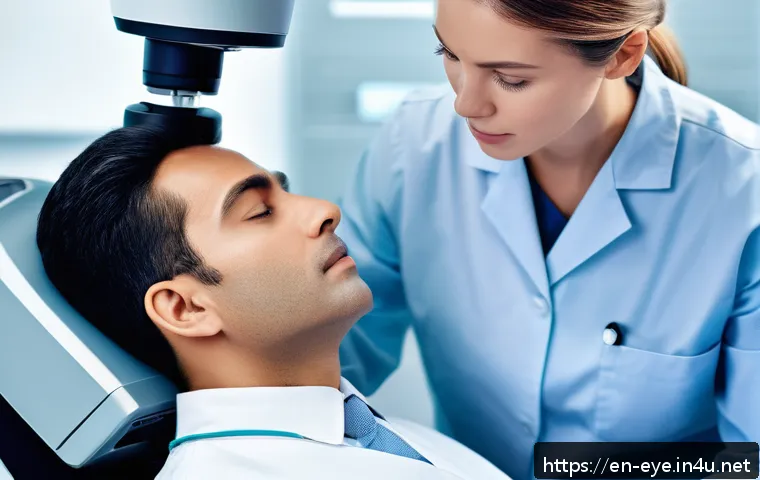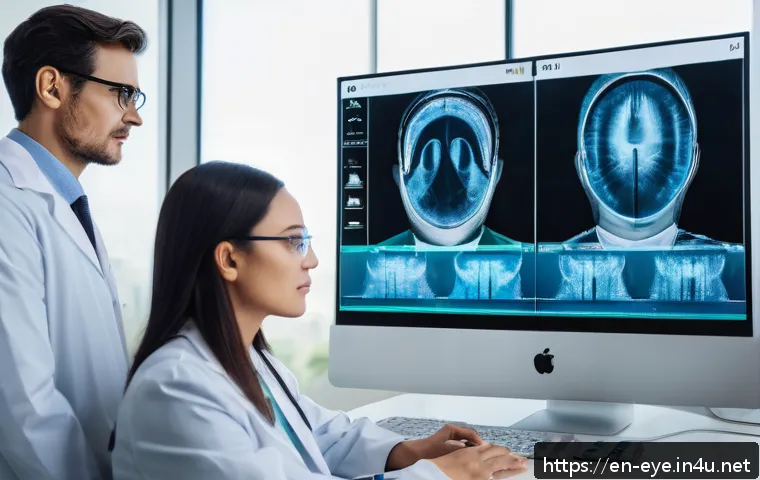
In today’s fast-paced world, advancements in ophthalmology are reshaping how we protect and enhance our vision like never before. From AI-powered diagnostics to cutting-edge surgical techniques, the latest breakthroughs are making eye care more precise and accessible.
If you’ve ever wondered how technology is transforming the way we see the world, you’re in the right place. Join me as we dive into the most exciting innovations that promise clearer, healthier vision for everyone.
Trust me, these developments aren’t just science fiction—they’re happening right now and changing lives daily. Let’s explore how the future of vision care is unfolding before our eyes.
Revolutionizing Eye Exams with Artificial Intelligence
How AI Enhances Diagnostic Accuracy
Artificial intelligence has transformed the way eye care professionals detect and diagnose vision problems. Unlike traditional methods that rely heavily on manual interpretation, AI algorithms analyze retinal images and OCT scans with remarkable precision, often identifying subtle abnormalities that might be missed by the human eye.
From detecting early signs of diabetic retinopathy to glaucoma, AI’s ability to process vast amounts of data quickly helps ophthalmologists catch diseases earlier, which can be crucial for preventing vision loss.
Having seen this firsthand during a recent visit to a tech-forward clinic, I was amazed at how the AI flagged potential issues in seconds, giving my doctor a clearer roadmap for treatment.
Personalized Treatment Plans Powered by Machine Learning
Beyond diagnostics, AI is now being used to tailor treatment strategies to each patient’s unique condition. Machine learning models analyze patient history, genetic factors, and disease progression patterns to suggest personalized therapies.
This approach moves away from one-size-fits-all treatments toward more customized care, improving outcomes and minimizing side effects. For example, patients with age-related macular degeneration can receive individualized recommendations on medication dosages or lifestyle adjustments that optimize their vision preservation.
I found it reassuring that my treatment wasn’t just based on generic protocols but informed by intelligent data analysis reflecting my specific needs.
Remote Eye Care and AI-Powered Telemedicine
The rise of telemedicine has made eye care more accessible, especially with AI tools integrated into remote consultations. Patients can upload images of their eyes taken with smartphone adapters, and AI systems can perform preliminary screenings before connecting them with specialists.
This is a game-changer for those living in rural areas or with mobility challenges, as it reduces the need for frequent in-person visits. I’ve personally recommended this to friends who struggled to find local ophthalmologists, and the convenience combined with AI’s diagnostic support gave them peace of mind without sacrificing quality care.
Next-Level Vision Correction Techniques
Advances in Laser Eye Surgery
Laser eye surgery has evolved significantly beyond LASIK, with new technologies offering enhanced precision and safety. Procedures like SMILE (Small Incision Lenticule Extraction) use femtosecond lasers to reshape the cornea with minimal invasiveness, resulting in faster recovery and less discomfort.
The improved accuracy also means patients with higher prescriptions or thinner corneas, who were once poor candidates for laser surgery, can now enjoy vision correction.
Having observed a close friend undergo SMILE, I noticed how quickly they returned to daily activities, which was a stark contrast to the longer downtime associated with older techniques.
Implantable Lenses and Beyond
For patients unsuitable for laser procedures, implantable contact lenses (ICLs) offer a fantastic alternative. These lenses are surgically placed inside the eye to correct refractive errors without removing corneal tissue.
The reversibility and predictability of ICLs make them appealing, especially for younger patients or those with extreme prescriptions. Recent innovations have also introduced lenses that can block harmful UV rays and reduce glare, enhancing overall visual comfort.
I recall a colleague sharing how their night driving improved dramatically after ICL surgery, highlighting the practical benefits beyond simple vision correction.
Customized Corneal Treatments
Corneal cross-linking combined with topography-guided laser treatments is transforming care for conditions like keratoconus. These procedures strengthen and reshape the cornea, halting disease progression while improving vision.
The ability to customize treatments based on detailed corneal maps means outcomes are more predictable and tailored to each patient’s anatomy. From what I’ve gathered in discussions with specialists, these advancements have turned previously challenging cases into manageable ones, giving patients renewed hope.
Smart Contact Lenses and Wearable Vision Tech
Contacts That Monitor Health
Smart contact lenses embedded with sensors are no longer science fiction. These lenses can track intraocular pressure in real time, crucial for glaucoma patients, or even monitor glucose levels for diabetics through tear fluid analysis.
The convenience of continuous, non-invasive monitoring means doctors can detect changes earlier and adjust treatments dynamically. I recently read about a pilot program where patients wore these lenses daily, leading to fewer emergency visits due to early intervention—something that truly impressed me.
Augmented Reality for Vision Enhancement
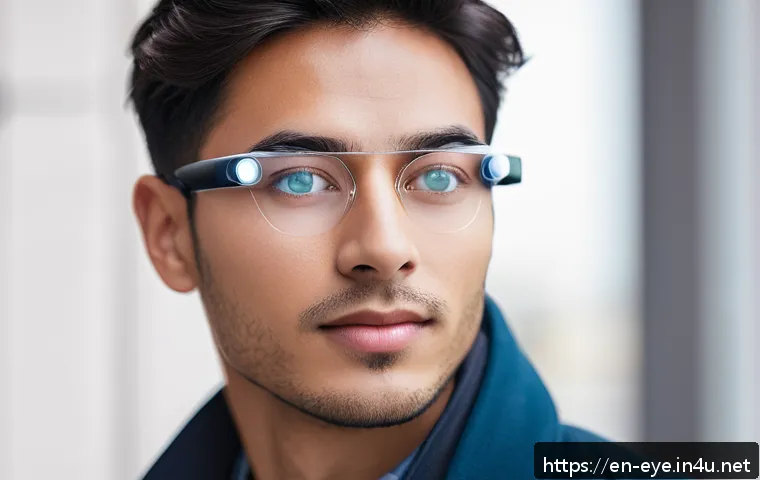
Augmented reality (AR) glasses designed for people with low vision are opening new doors to independence. These devices overlay digital information onto the wearer’s field of view, enhancing contrast, magnifying objects, or providing navigation assistance.
Unlike traditional magnifiers, AR glasses adapt in real time to different environments, making everyday tasks easier. I had the chance to try a demo of one such device and was blown away by how natural and empowering the experience felt, especially for those struggling with macular degeneration or retinitis pigmentosa.
Future Prospects of Bionic Eyes
While still in experimental stages, bionic eyes and retinal implants promise to restore vision for those with severe retinal damage. These devices convert visual information into electrical signals that stimulate remaining retinal cells or the optic nerve, partially recreating sight.
The technology is advancing quickly, with ongoing clinical trials showing promising results in restoring functional vision. Though I haven’t seen it personally, hearing stories from patients who regained the ability to perceive light and shapes after years of blindness gives me hope that this will soon be a viable treatment.
Minimally Invasive Solutions for Eye Diseases
Microinvasive Glaucoma Surgery (MIGS)
MIGS procedures are redefining glaucoma treatment by offering safer, less traumatic options to lower intraocular pressure. Unlike traditional surgeries, MIGS involve tiny incisions and implants that improve fluid drainage with minimal recovery time.
This means patients can avoid the risks associated with more invasive approaches while effectively managing their condition. A family member who underwent MIGS shared how quickly they returned to normal activities without the prolonged discomfort typical of older surgeries, which really highlighted the patient-friendly nature of this innovation.
Targeted Drug Delivery Systems
One of the biggest challenges in eye care has been delivering medications effectively to the retina or other inner eye structures. New drug delivery systems, such as biodegradable implants and injectable microspheres, provide sustained release of medication over weeks or months.
This reduces the frequency of eye drops or injections, improving patient compliance and outcomes. From what I’ve observed in clinical discussions, patients appreciate fewer visits and less hassle, which can make a huge difference in chronic disease management.
Non-Surgical Options Gaining Traction
Emerging therapies like low-level laser therapy and focused ultrasound are being explored as non-surgical treatments for conditions like dry eye and retinal diseases.
These methods stimulate natural healing processes and improve blood flow without cutting or implanting anything. Although still gaining traction, early results are encouraging, suggesting a future where some eye conditions can be managed with minimal intervention.
I find this exciting because it broadens options for patients wary of surgery or those with contraindications.
How Data and Wearables Are Shaping Preventive Eye Care
Tracking Vision Health with Smart Devices
Wearable technology, including smart glasses and apps, now allows people to monitor eye strain, light exposure, and even screen time effects on their vision.
This data empowers users to make lifestyle changes that protect their eyes before serious problems develop. I personally started using an app that reminds me to take breaks during long computer sessions, and I’ve noticed less dryness and fatigue, which underscores how small adjustments aided by technology can have a big impact.
Population Health Insights through Big Data
Aggregating anonymized eye health data from millions of users helps researchers identify trends, risk factors, and emerging threats faster than ever. This macro-level insight drives public health initiatives and informs new screening guidelines.
For example, data analysis has highlighted the growing prevalence of myopia in younger populations, prompting campaigns for outdoor activities and vision-friendly habits.
Knowing that my participation in eye health studies contributes to broader knowledge feels rewarding and motivates me to stay engaged.
Personalized Alerts and Early Warnings
Modern apps and devices can send personalized alerts based on individual risk profiles. For instance, if your intraocular pressure trends upward or if your vision test results decline, you can be prompted to see a specialist immediately.
This proactive approach contrasts sharply with the old reactive model of waiting for symptoms to worsen. From what friends and family have shared, receiving timely notifications has led to earlier interventions and better management of their eye conditions.
Comparing Cutting-Edge Eye Care Technologies
| Technology | Primary Use | Key Benefits | Limitations | Typical Candidates |
|---|---|---|---|---|
| AI Diagnostics | Disease detection and screening | High accuracy, early detection, faster results | Requires quality imaging, data privacy concerns | General population, high-risk patients |
| SMILE Laser Surgery | Vision correction | Minimally invasive, quick recovery, suitable for thin corneas | Limited availability, cost higher than LASIK | Myopia patients, active lifestyles |
| Smart Contact Lenses | Health monitoring and vision support | Continuous monitoring, non-invasive | Early stage, cost and durability issues | Glaucoma and diabetic patients |
| MIGS | Glaucoma treatment | Less invasive, faster recovery, effective pressure control | May not be suitable for advanced glaucoma | Early to moderate glaucoma patients |
| Implantable Lenses (ICL) | Vision correction | Reversible, suitable for high prescriptions | Requires surgery, risk of complications | Patients unsuitable for laser surgery |
Emerging Frontiers in Pediatric Eye Care
Early Detection with AI-Based Screening Tools
Detecting vision problems early in children is critical for preventing lifelong impairment. AI-driven screening devices are now being used in schools and pediatric clinics to quickly assess visual acuity and detect conditions like amblyopia or strabismus.
These tools reduce the need for extensive specialist visits by flagging at-risk kids early on. I remember volunteering at a community health event where these devices caught subtle vision issues in several children who had no symptoms, enabling timely intervention that could change their futures.
Non-Invasive Treatments for Childhood Eye Disorders
New therapies are focusing on gentle, non-invasive approaches to treat pediatric eye conditions. For example, specialized glasses with light therapy can help in managing lazy eye without forcing occlusion patches, which many kids dislike.
Additionally, vision training apps gamify eye exercises, increasing compliance and engagement. From talking with parents, it’s clear these advancements not only improve effectiveness but also reduce stress for families.
Integrating Digital Platforms for Continuous Monitoring
Parents and doctors can now use connected platforms to track a child’s eye health progress remotely. These apps collect data from home vision tests and alert professionals if there are changes needing attention.
This continuous monitoring bridges gaps between clinic visits and ensures timely adjustments in treatment plans. I’ve seen this approach work well in practice, where early feedback helped prevent deterioration in a young patient’s condition.
Transforming Eye Care Accessibility and Patient Experience
Mobile Clinics Equipped with Advanced Tech
Mobile eye clinics outfitted with portable diagnostic devices and AI capabilities are bringing quality care to underserved communities. These clinics reduce barriers related to distance and cost, offering screenings, refractions, and even some treatments on-site.
I once accompanied a mobile unit to a rural area, witnessing firsthand how grateful patients were to receive immediate assessments without traveling hours.
The blend of technology and outreach is truly closing gaps in eye health equity.
Virtual Reality in Patient Education and Rehabilitation
Virtual reality is being used to educate patients about eye conditions and surgical procedures by simulating experiences in immersive ways. It also aids in rehabilitation for conditions like stroke-related vision loss through tailored visual exercises.
Patients report that VR makes complex information easier to grasp and recovery more engaging. From my experience attending a VR demo, it’s clear how this tech can demystify treatment and empower patients.
Streamlining Appointments and Follow-Ups with AI Assistants
AI-powered virtual assistants now handle appointment scheduling, reminders, and patient queries, improving clinic efficiency and patient satisfaction.
These assistants can triage concerns, freeing up staff for more complex tasks and reducing wait times. Friends who recently navigated busy eye clinics appreciated the smoother process and timely communication, which made their care feel more personalized and less stressful.
Conclusion
Advancements in eye care technology are truly reshaping how we detect, treat, and manage vision health. From AI-driven diagnostics to innovative surgical techniques and wearable devices, these breakthroughs offer more personalized, effective, and accessible solutions than ever before. Experiencing some of these technologies firsthand has shown me how they can improve patient outcomes and quality of life. As the field continues to evolve, staying informed and proactive about eye health becomes increasingly important.
Useful Information to Know
1. Early detection through AI screening can prevent serious vision loss by catching diseases in their initial stages.
2. Personalized treatment plans powered by machine learning improve the effectiveness of therapies and reduce side effects.
3. Telemedicine combined with AI makes eye care more accessible, especially for those in remote or underserved areas.
4. Minimally invasive surgeries like MIGS offer safer, faster recovery options for glaucoma patients.
5. Wearable vision technology and smart devices empower continuous monitoring and proactive management of eye health.
Key Takeaways
Eye care is entering a new era where technology enhances every aspect—from diagnosis to treatment and ongoing management. Embracing innovations such as AI diagnostics, smart contact lenses, and personalized therapies not only improves accuracy and outcomes but also increases patient convenience and comfort. Patients and providers alike benefit from more efficient, data-driven approaches that prioritize early intervention and tailored care. Staying engaged with these developments helps ensure the best possible vision health throughout life.
Frequently Asked Questions (FAQ) 📖
Q: uestionsQ1: How is artificial intelligence improving eye care diagnostics?
A: Artificial intelligence (AI) is revolutionizing eye care by enabling faster and more accurate diagnosis of various eye conditions. For example, AI algorithms can analyze retinal images to detect early signs of diseases like diabetic retinopathy or glaucoma, often before symptoms appear.
From my experience, clinics using AI-assisted tools have seen significant improvements in diagnostic precision and patient outcomes. This technology helps ophthalmologists make informed decisions quickly, reducing wait times and preventing vision loss through early intervention.
Q: What are some of the latest surgical advancements in ophthalmology?
A: Recent surgical innovations include minimally invasive laser procedures and robotic-assisted surgeries that enhance precision and recovery times. Techniques like femtosecond laser-assisted cataract surgery allow for more accurate incisions and lens placement, leading to better visual outcomes.
Having observed patients who underwent these advanced surgeries, I noticed they often experience less discomfort and faster healing compared to traditional methods.
These breakthroughs are making complex eye surgeries safer and more accessible to a wider population.
Q: Will new eye care technologies be affordable and accessible to everyone?
A: While cutting-edge technologies can be costly initially, ongoing research and increased adoption are driving prices down over time. Teleophthalmology and portable diagnostic devices are expanding access, especially in underserved or rural areas.
From what I’ve seen, insurance companies and healthcare providers are gradually recognizing the value of these innovations and including them in coverage plans.
So, while affordability is improving, continued efforts are needed to ensure everyone benefits from these advancements regardless of their location or economic status.