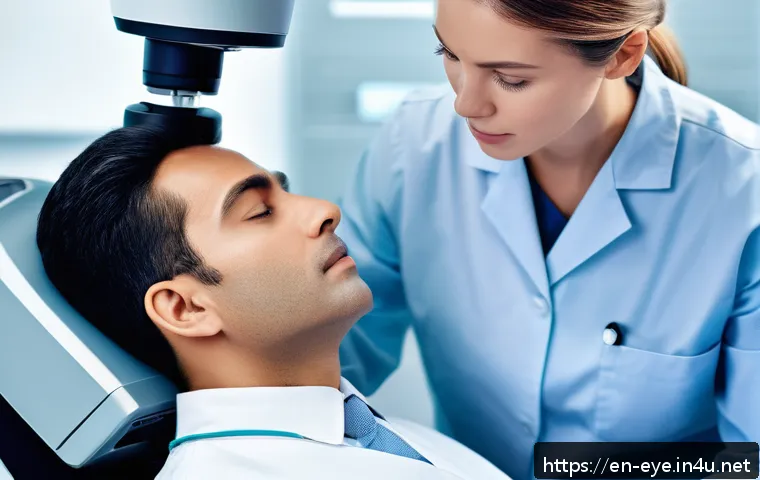
Lately, more people are exploring ways to enhance their eye health and appearance, sparking curiosity about the differences between cosmetic eye surgery and traditional ophthalmology care.
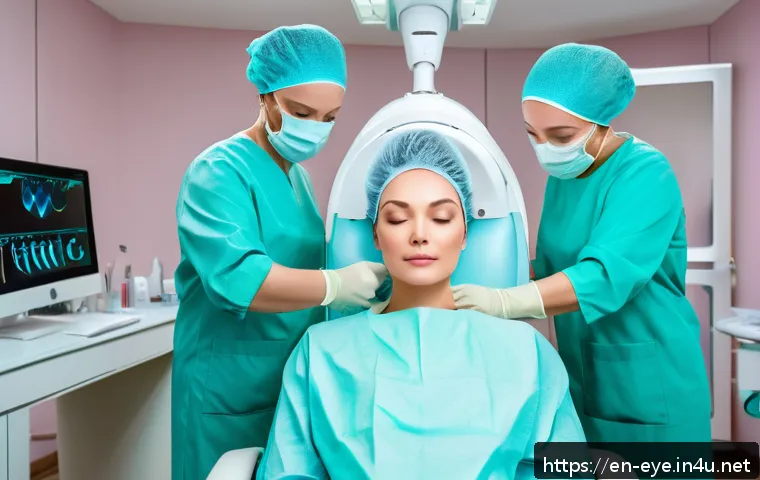
Whether you’re considering a procedure to improve vision or aiming for a refreshed look, understanding these distinct paths is essential. In a world where both medical expertise and aesthetic goals intersect, knowing which option suits your needs can save time and ensure the best results.
Let’s dive into the key contrasts that can help you make an informed choice and feel confident about your eye care journey.
Understanding the Scope: Medical vs. Aesthetic Eye Procedures
What Defines Traditional Ophthalmology Care?
Traditional ophthalmology primarily focuses on diagnosing and treating eye diseases, vision problems, and preserving overall eye health. When you visit an ophthalmologist, you’re dealing with a medical expert trained to manage conditions like cataracts, glaucoma, diabetic retinopathy, and refractive errors such as myopia or hyperopia.
These professionals use a variety of diagnostic tools and treatments that prioritize function and long-term vision preservation. For example, if you’re experiencing blurry vision or eye pain, an ophthalmologist will evaluate the underlying cause and suggest treatments ranging from prescription glasses to surgical interventions such as cataract removal.
The main goal here is to maintain or restore vision and prevent further damage.
The Role of Cosmetic Eye Procedures
Cosmetic eye procedures, on the other hand, are designed primarily to enhance appearance rather than address medical issues. This includes eyelid lifts, blepharoplasty (removal of excess eyelid skin), and treatments to reduce wrinkles or puffiness around the eyes.
These surgeries and non-surgical treatments like Botox or fillers aim to give a refreshed, youthful look. They’re often sought by individuals wanting to improve self-confidence or reduce signs of aging.
Unlike traditional ophthalmology, cosmetic procedures are elective and focus on aesthetic enhancement, though safety and precision remain critical. Many patients find that a well-done cosmetic procedure can significantly boost their self-esteem and facial harmony without affecting vision.
Key Differences in Training and Focus
Ophthalmologists undergo extensive medical education and training to become specialists in eye health, including surgical skills for complex procedures that restore or preserve sight.
In contrast, cosmetic eye surgeons may come from various specialties, including plastic surgery or dermatology, and their training emphasizes aesthetic outcomes and facial anatomy.
This difference in focus means that while an ophthalmologist might be your go-to for cataract surgery or glaucoma management, a cosmetic eye surgeon is better suited for eyelid reshaping or wrinkle reduction.
It’s essential to verify credentials and experience, especially for cosmetic procedures, to ensure safety and satisfaction.
Recovery and Risks: What to Expect Post-Procedure
Healing Timeline for Medical Eye Surgeries
Recovery from medical eye surgeries varies depending on the procedure but often involves a few weeks of careful eye care to prevent infection and promote healing.
For example, cataract surgery patients usually experience improved vision within days, but full recovery might take several weeks. During this period, patients need to avoid strenuous activities, keep the eye clean, and use prescribed medications like antibiotic drops.
Some discomfort, redness, or mild swelling is normal, but serious complications are rare when managed properly. Ophthalmologists provide detailed post-op instructions and monitor progress to ensure the best outcomes.
Recovery Considerations for Cosmetic Eye Procedures
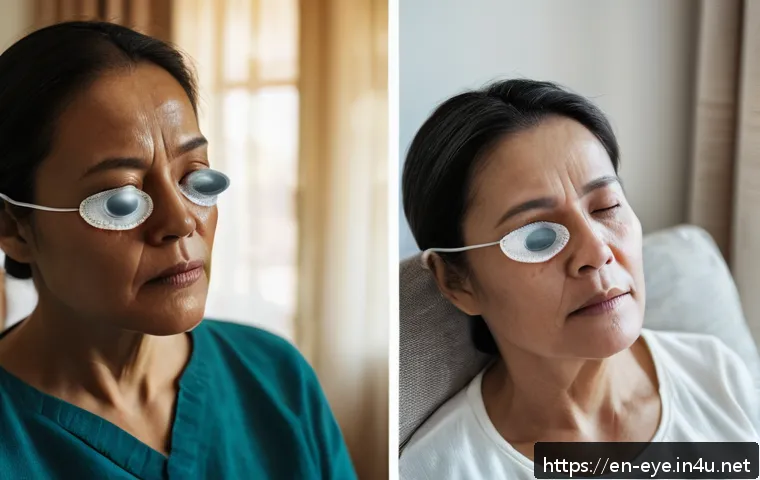
Cosmetic eye procedures often have a recovery timeline that includes swelling, bruising, and sensitivity around the eyes for a few days to weeks, depending on the invasiveness.
Eyelid surgery, for instance, might require 1 to 2 weeks before visible bruising fades, and full results become apparent after a month or more. Non-surgical treatments like Botox have minimal downtime but may need repeat sessions.
Patients often report feeling self-conscious during the initial healing phase but appreciate the gradual improvement. It’s important to follow the surgeon’s aftercare advice to minimize risks like infection or scarring and achieve natural-looking results.
Potential Risks and How They Differ
While both medical and cosmetic eye procedures carry risks, their nature can differ significantly. Medical eye surgeries primarily risk vision-related complications if not performed or managed correctly, such as infection, inflammation, or unintended vision changes.
Cosmetic procedures, while generally safe, might lead to asymmetry, scarring, or dissatisfaction with appearance if expectations aren’t clearly discussed beforehand.
Choosing qualified professionals and having thorough consultations can mitigate most risks. Patients should feel empowered to ask questions about both benefits and potential side effects before proceeding.
Cost Factors and Insurance Coverage Explained
How Medical Eye Treatments Are Typically Covered
One of the biggest differences between medical and cosmetic eye procedures is insurance coverage. Traditional ophthalmology treatments for vision correction or disease management are often covered by health insurance or government programs, depending on your location and policy.
For example, cataract surgery, glaucoma treatments, or diabetic eye care usually fall under medically necessary services. This coverage can significantly reduce out-of-pocket costs, making it easier for patients to access essential care without financial strain.
However, coverage varies widely, so it’s crucial to check with your provider beforehand.
Out-of-Pocket Costs for Cosmetic Enhancements
Cosmetic eye surgeries and treatments are generally considered elective and aren’t covered by insurance. Patients should expect to pay out-of-pocket for procedures like eyelid lifts, Botox injections, or laser skin resurfacing around the eyes.
Costs can range widely based on the provider’s experience, location, and the complexity of the procedure. While these expenses might seem high, many people view them as an investment in confidence and appearance.
Financing options or payment plans are often available to make these procedures more accessible. It’s wise to weigh the financial commitment against your aesthetic goals and budget carefully.
Comparing Cost and Coverage at a Glance
| Aspect | Traditional Ophthalmology | Cosmetic Eye Procedures |
|---|---|---|
| Primary Goal | Vision correction, disease treatment | Appearance enhancement |
| Insurance Coverage | Usually covered if medically necessary | Generally not covered |
| Typical Cost Range | $0 – $5,000 (varies with insurance) | $2,000 – $10,000+ |
| Recovery Time | Days to weeks | Days to months depending on procedure |
| Risk Focus | Preserving or improving vision | Minimizing cosmetic side effects |
Technology and Techniques: Innovation in Eye Care
Cutting-Edge Tools in Ophthalmology
Recent years have brought incredible advances in ophthalmology technology, from femtosecond lasers for cataract surgery to advanced imaging that detects eye diseases earlier than ever.
These tools allow ophthalmologists to deliver precise treatments with better outcomes and fewer complications. For example, laser-assisted cataract surgery offers more accuracy than traditional methods, leading to faster recovery and improved vision.
Additionally, innovations in retinal imaging help detect diabetic retinopathy or macular degeneration in their earliest stages, allowing timely intervention that can save sight.
Modern Aesthetic Techniques Around the Eyes
Cosmetic eye treatments have also benefited from technological progress. Minimally invasive laser treatments, ultrasound therapy, and injectable fillers offer natural-looking results without the downtime of traditional surgery.
For instance, non-surgical blepharoplasty using radiofrequency or laser tightening can lift sagging eyelids subtly without incisions. These procedures appeal to people who want to avoid surgery but still improve their eye area’s appearance.
The combination of technology and artistry in cosmetic eye care means personalized, safer, and more effective options than ever before.
The Growing Intersection of Medical and Cosmetic Care
Interestingly, some technologies and techniques overlap between medical and cosmetic fields. For example, certain laser treatments can both improve vision and enhance eyelid skin quality.
Ophthalmologists and cosmetic surgeons increasingly collaborate to offer comprehensive care, especially for patients with conditions like ptosis (drooping eyelids) that impact both function and appearance.
This convergence benefits patients by providing tailored solutions that address their unique needs holistically rather than treating eyes as purely medical or aesthetic subjects.
Choosing the Right Specialist for Your Eye Needs
How to Identify Qualified Professionals
Navigating the world of eye care can be confusing, especially when deciding between medical and cosmetic specialists. Credentials matter a lot here. Ophthalmologists are board-certified eye doctors with medical degrees and specialized training in eye health and surgery.
Cosmetic eye surgeons might be plastic surgeons or dermatologists with additional training in eyelid and facial procedures. Researching their experience, patient reviews, and before-and-after photos can give you confidence in their expertise.
Don’t hesitate to ask about their specific training related to your desired procedure.
Questions to Ask During Consultations
When you meet a specialist, coming prepared with questions can clarify what’s realistic and safe for you. For medical care, ask about the risks and benefits of treatments, recovery expectations, and alternatives.
For cosmetic procedures, inquire about the surgeon’s approach to achieving natural results, how they handle complications, and what to expect during healing.
Understanding the full scope of the procedure, including costs and follow-up care, helps prevent surprises. A trustworthy professional will welcome your questions and provide clear, honest answers.
Balancing Expectations with Real Outcomes
One of the most important aspects of choosing eye care is managing expectations. Medical treatments aim to restore or preserve vision but might not reverse all damage.
Cosmetic procedures can improve appearance but won’t stop aging or guarantee perfection. Being realistic about what each path can offer helps prevent disappointment.
Many patients find that combining both medical and cosmetic care yields the best results—healthy eyes with a refreshed look. Open communication with your specialist about your goals and concerns ensures your care plan matches your needs.
Patient Experiences: What Real People Say
Stories from Those Who Chose Medical Eye Care
Many patients share how medical eye care transformed their daily lives by restoring vision or controlling chronic conditions. For instance, a friend of mine who underwent cataract surgery described the moment she could see clearly again without glasses as life-changing.
She emphasized how thorough her ophthalmologist was in explaining the procedure and managing her recovery. Such stories highlight the practical and emotional impact of medical eye care, reminding us that vision is fundamental to independence and quality of life.
Insights from Cosmetic Eye Procedure Recipients
On the cosmetic side, people often talk about the boost in confidence and happiness after procedures like eyelid lifts or Botox. One acquaintance mentioned how her eyelid surgery made her look less tired and more approachable at work, which improved her social interactions.
However, she also stressed the importance of choosing a skilled surgeon and having realistic expectations to avoid dissatisfaction. These personal accounts reveal that cosmetic eye care is not just about vanity but about feeling good in your own skin.
Lessons Learned: Combining Care Approaches
Some individuals have experienced both medical and cosmetic eye treatments and suggest a balanced approach. For example, someone with glaucoma might also opt for cosmetic procedures to address droopy eyelids that affect vision and appearance.
Their advice is to prioritize eye health first but don’t neglect the emotional benefits of feeling attractive. They also emphasize the value of finding providers who communicate openly and coordinate care.
Such holistic perspectives can guide others facing similar decisions.
Legal and Ethical Considerations in Eye Care Choices
Regulations Governing Medical Eye Treatments
Medical eye care is tightly regulated to ensure patient safety and efficacy of treatments. Ophthalmologists must adhere to strict licensing, continuous education, and ethical standards.
These regulations protect patients from unproven or dangerous procedures and require transparent communication about risks. Additionally, informed consent is a legal necessity, meaning patients must be fully aware of what the treatment entails.
This framework builds trust and accountability in medical eye care.
Ethics in Cosmetic Eye Surgery
Cosmetic eye surgery also faces ethical scrutiny, especially regarding patient expectations and marketing practices. Surgeons have a duty to avoid overpromising results or performing unnecessary procedures.
Ethical practitioners prioritize patient wellbeing over profit and ensure that candidates for surgery are psychologically prepared. Because cosmetic procedures are elective, it’s crucial that patients are not pressured and have realistic motivations.
Ethical considerations extend to confidentiality, consent, and honest pricing.
Protecting Yourself as a Patient
Whether pursuing medical or cosmetic eye care, patients should educate themselves about their rights and available protections. This includes verifying the credentials of providers, understanding the procedure’s details, and knowing how to report malpractice or complications if needed.
Many regions have patient advocacy groups or regulatory bodies that oversee eye care practices. Being proactive and informed reduces risks and empowers patients to make choices aligned with their health and happiness.
Conclusion
Understanding the differences between medical and cosmetic eye procedures is essential for making informed decisions about your eye care. Both paths offer unique benefits, whether preserving vision or enhancing appearance. Choosing the right specialist and having clear expectations can lead to satisfying outcomes. Ultimately, prioritizing eye health while considering aesthetic goals creates a balanced approach to overall well-being.
Useful Information to Know
1. Medical eye procedures are typically covered by insurance when deemed necessary, reducing financial burden for patients.
2. Cosmetic eye treatments usually require out-of-pocket payment but offer a range of options from minimally invasive to surgical.
3. Recovery times vary significantly; medical surgeries often heal faster than cosmetic procedures, which might involve swelling and bruising.
4. Advances in technology benefit both medical and cosmetic eye care, improving safety and results through precision tools.
5. Always verify credentials and experience of your eye care provider to ensure safety and satisfaction with any procedure.
Key Takeaways
Choosing between medical and cosmetic eye care depends on your primary goals—whether it’s vision preservation or appearance enhancement. Medical eye care focuses on diagnosing and treating eye conditions with insurance support, while cosmetic procedures are elective and paid out-of-pocket. Recovery and risks differ, so understanding these aspects helps you prepare. Advances in technology have improved outcomes in both fields, and selecting qualified specialists ensures safe, effective care. Clear communication and realistic expectations are vital to achieving the best results for your eyes and confidence.
Frequently Asked Questions (FAQ) 📖
Q: What is the main difference between cosmetic eye surgery and traditional ophthalmology care?
A: Cosmetic eye surgery primarily focuses on enhancing the appearance of the eyes, such as eyelid lifts or wrinkle reduction, while traditional ophthalmology care is centered on diagnosing, treating, and managing eye diseases and vision problems.
Cosmetic procedures are usually elective and aimed at improving aesthetics, whereas ophthalmology care involves medical or surgical treatments to preserve or restore eye health and vision.
Q: Can cosmetic eye surgery improve vision, or is it purely for looks?
A: Most cosmetic eye surgeries are designed to improve the eye’s appearance rather than vision. However, some procedures, like certain types of eyelid surgery, can indirectly enhance vision by removing droopy skin that blocks the field of view.
If your primary goal is vision correction, traditional ophthalmic surgeries like LASIK or cataract removal are the recommended options.
Q: How do I decide whether to see a cosmetic surgeon or an ophthalmologist for my eye concerns?
A: It depends on your goals. If you’re experiencing vision problems, discomfort, or eye health issues, an ophthalmologist should be your first stop since they specialize in medical and surgical eye care.
On the other hand, if you want to address cosmetic concerns like sagging eyelids or under-eye bags without vision problems, consulting a cosmetic surgeon or oculoplastic specialist is more appropriate.
Sometimes, a combined approach might be necessary, so don’t hesitate to ask for referrals or second opinions.